

In anticipation of Saudi National Day on 23 September, we highlight the everyday traditions that shape life across the Kingdom. Among the most recognisable and enduring customs are the scents of oud and the ritual of bakhour (scent burning), fragrances that define Saudi hospitality, personal grooming and image, and cultural identity. This feature explains what they are, how they are used, and why they remain central to life in the Kingdom today.
This custom extends beyond the Arab Gulf into the wider Arab world inspired by each country’s local heritage and rituals. Including Yemen and in parts of Africa.
Table of Contents
What Bakhour Is
In the Arab Gulf culture, bakhour is the general term for the fragrant wood burned in the mabkhara (incense burner). It may be natural oud wood or perfumed chips blended with oils, musk, amber, sandalwood, and florals. The emphasis is on the ritual: lighting the charcoal, placing the wood, and allowing the smoke to rise.
Alternatively, in some countries like Oman, frankincense burning is the preferred method to purify the air in homes. Centuries old ritual in virtually all faiths and traditions.

Bakhour shapes the atmosphere of a home. It is offered to guests as they arrive, used to scent homes before gatherings, and passed through clothing and hair as part of grooming. It is also traditionally burned at the close of a gathering, after dinner, and as guests are leaving, creating a graceful and fragrant conclusion to the visit. Weddings, Eid, before prayer and family occasions all carry its familiar scent, and it remains a meaningful gift symbolising warmth, welcome, and hospitality.
Large pieces of naturally aromatic oud wood are sometimes gifted, intended for burning in the mabkhara as part of home fragrance daily rituals.
What Oud Is
Oud usually refers to the oil rather than the wood. Oud oil is distilled from the resin of agarwood from the Aquilaria tree, which grows across South and Southeast Asia, including India and Cambodia, as well as neighbouring regions.

The oil is applied to the skin, layered with other perfumes, and used as part of daily grooming for men and women. It is often given during family visits reflecting generosity and the desire to offer something meaningful. High quality oud oil can be extremely rare, with prices comparable to fine jewellery.
Oud Wood as Bakhour
Natural oud wood (agarwood) is resin rich and aromatic without any soaking. When warmed, it releases a deep, comforting scent. Long before aromatherapy became a global modern trend, oud wood was used to create calm and elevate the mood. The mabkhara with burning oud is passed around from one person to the other in a gathering or salon called a majlis.

Other woods used in bakhour blends offer their own pleasant aromas, each contributing a different character to the fragrance experience.
Value of Oud Gifting
Gifting large pieces of oud wood or oil holds special significance during major celebrations in the region. These gifts represent respect and prosperity. Historically, sizeable pieces of were presented to a bride and groom as part of wedding traditions, offering blessings for a fragrant and prosperous home.
During housewarming occasions, gifting oud is seen as a gesture of welcome, believed to purify the space and invite good fortune. Its aromatic presence creates an inviting atmosphere for family and guests, reinforcing the cultural importance of scent in daily life.
Growing Global Interest
Oud and bakhour have moved from home rituals to international appreciation. Bakhour inspired home fragrances, electric mabkhara burners, and oud based perfumes now appear in boutiques worldwide. People are drawn to the atmosphere these scents create and the cultural meaning behind them.
Despite this global reach, the tradition remains unchanged in Saudi Arabia. Families continue to prepare their own bakhour and oud blends, and the mabkhara remains central in the home, shaped by daily life, hospitality, and the desire to maintain a welcoming environment.
Why These Traditions Endure
Oud and bakhour endure because they represent hospitality and cultural identity. They are part of a heritage that remains relevant while gaining international recognition. Their rise reflects a wider interest in authenticity, ritual and appreciation of intentional slow living, and luxury.
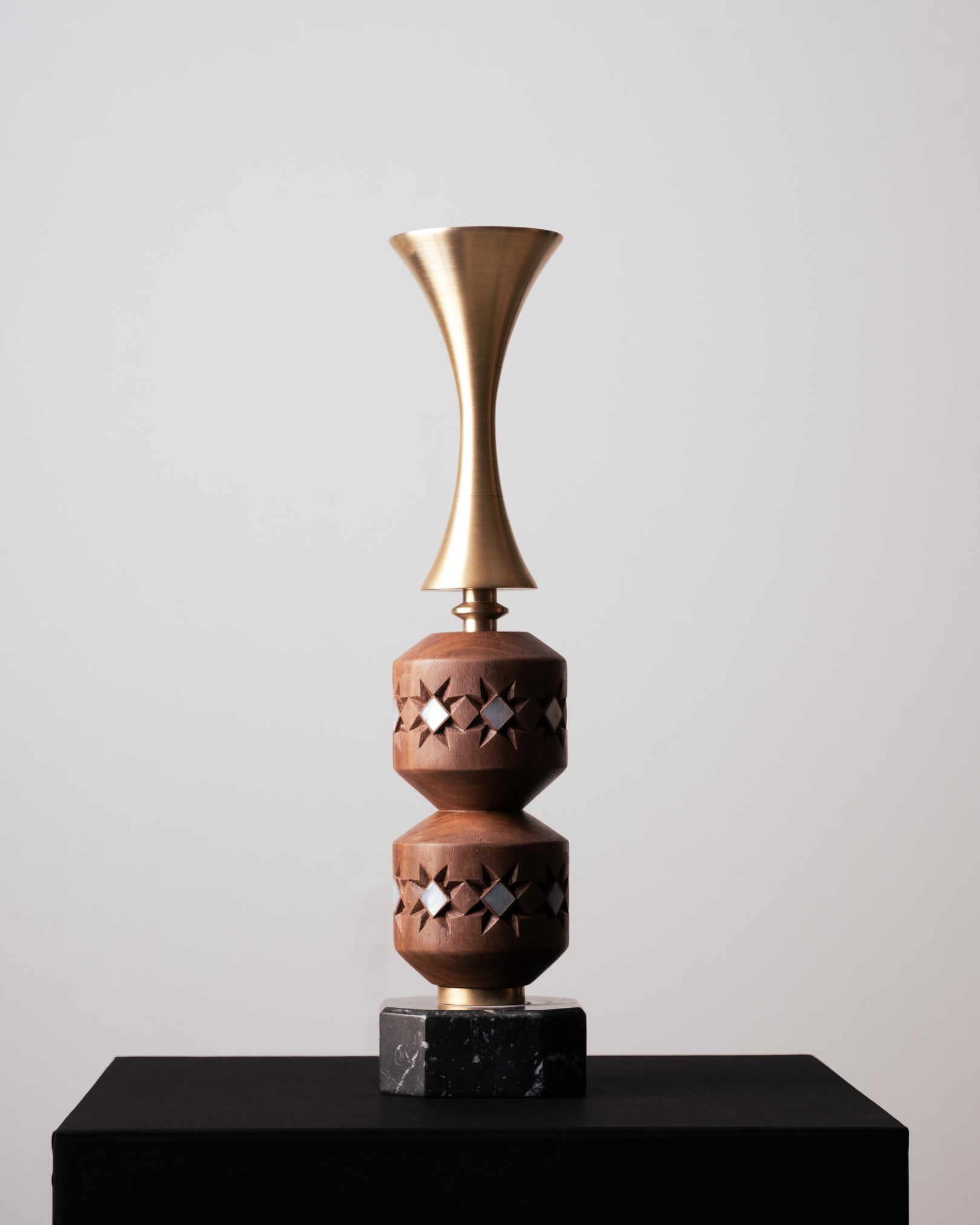
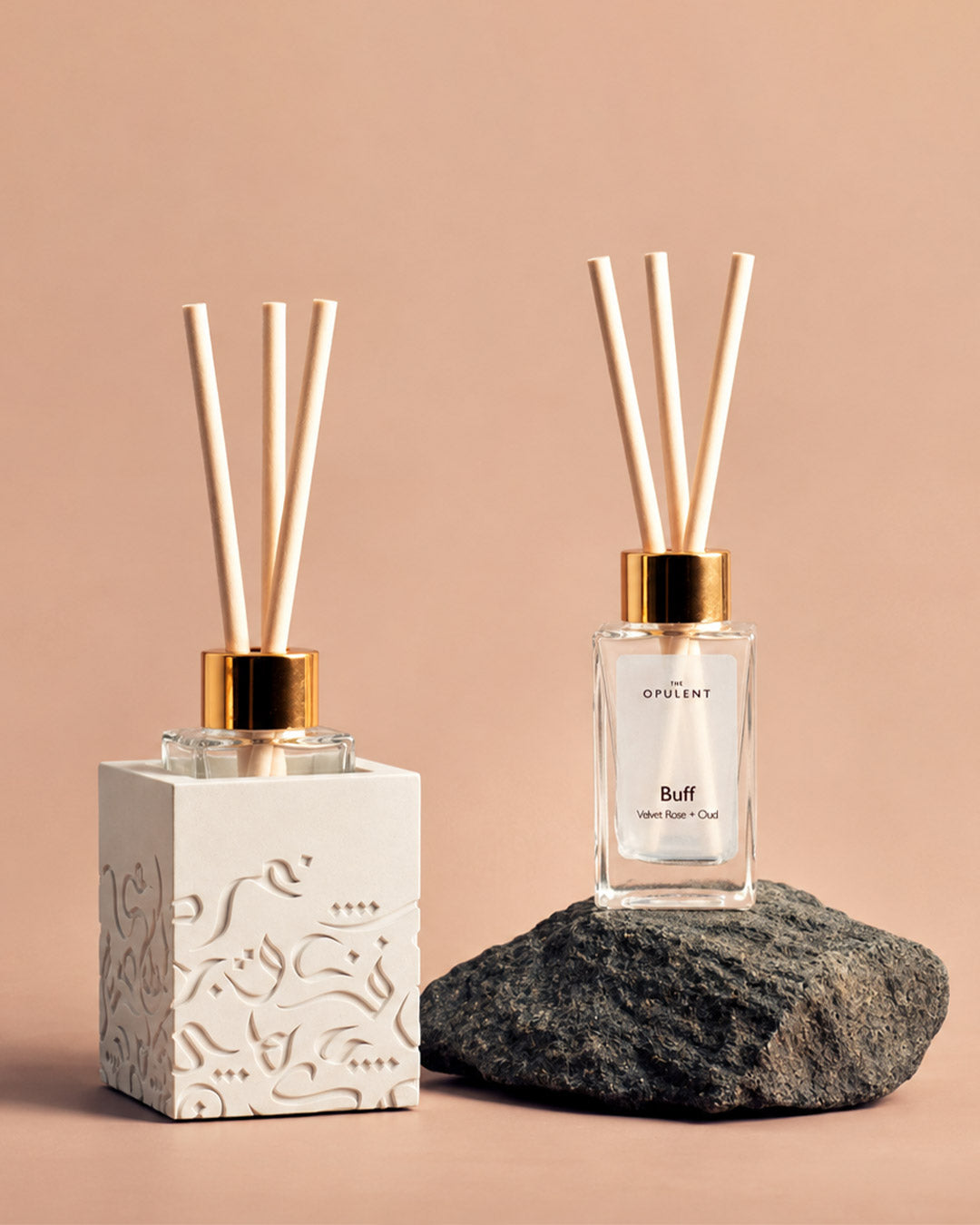
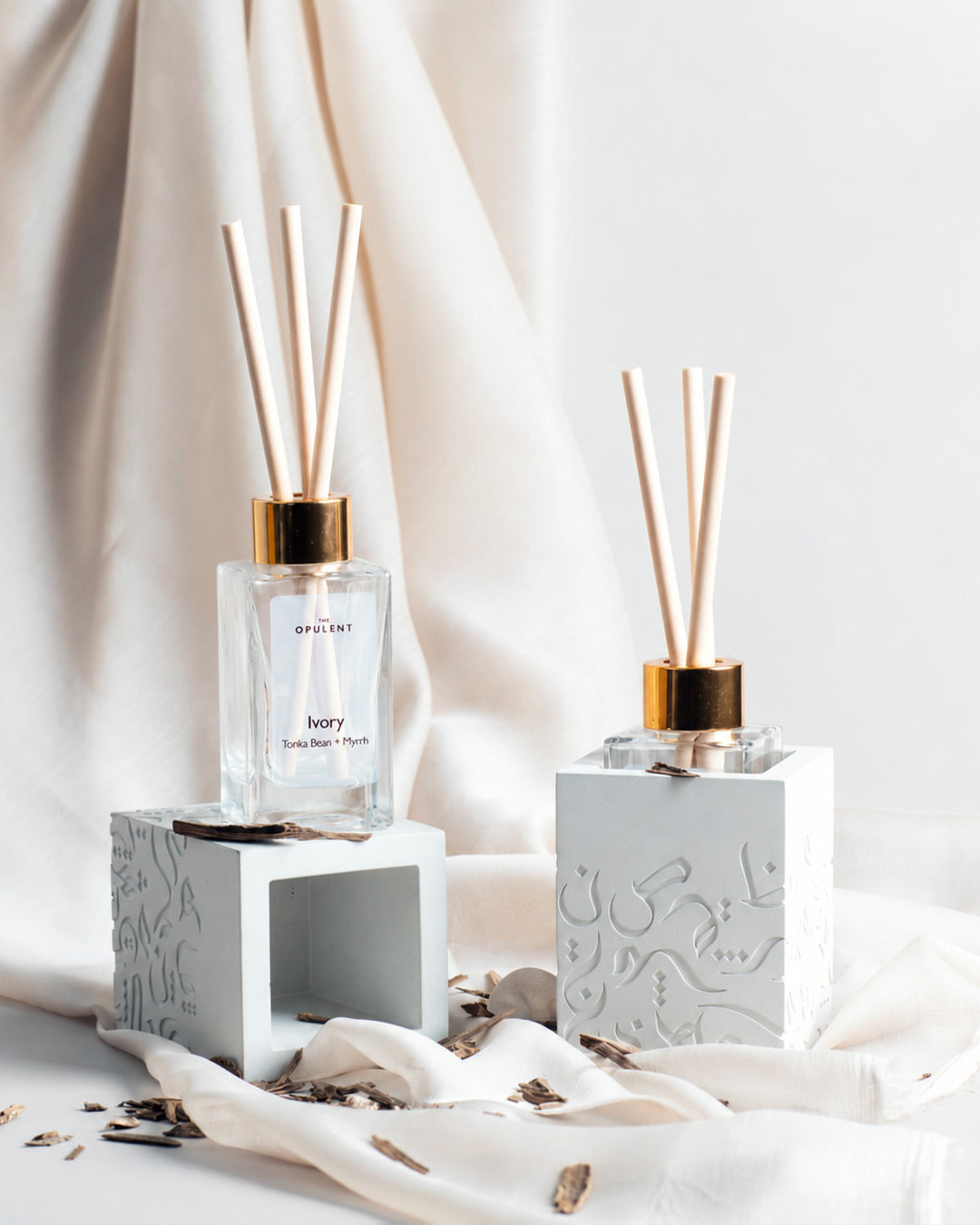
At Lavish, that timeless spirit is reflected in our curated selection of home fragrance pieces, from the Xena Kalouti Naqsh incense burner to The Opulent reed diffusers, with notes of velvet rose, oud, tonka bean and myrrh echoing the region's enduring fragrance culture.
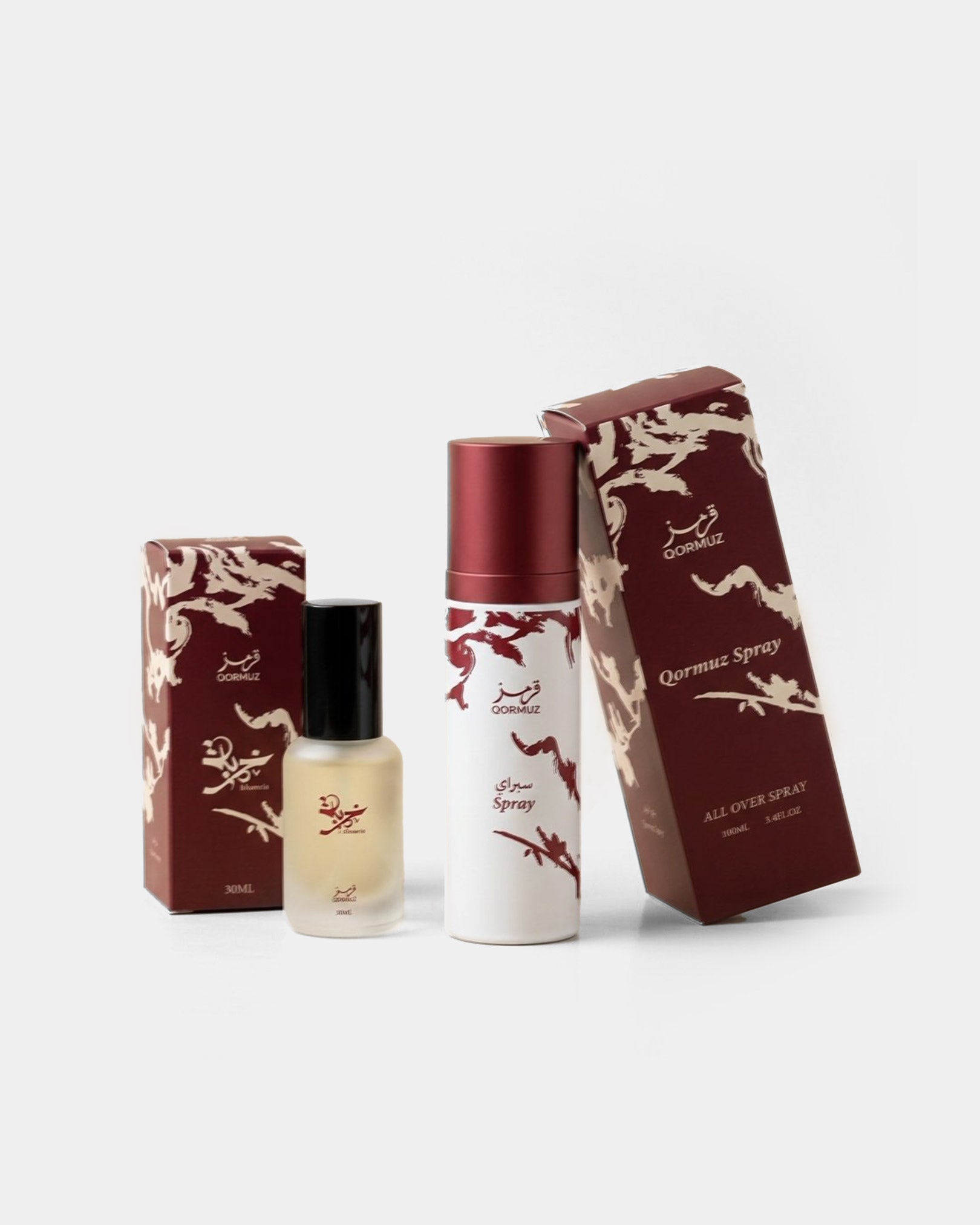
At Lavish, that timeless spirit is reflected in our curated fragrance selection, from the Xena Kalouti Naqsh incense burner and The Opulent reed diffusers, with notes of velvet rose, oud, tonka bean and myrrh, to Qormuz Khumria, a perfume oil & spray set infused with white musk, rose, saffron and distinctive AlUla mango. Together, they offer contemporary expressions of the region’s enduring fragrance culture.
Explore our home fragrance collection.