

Pattern, geometry and symmetry in regional design emerge from a rich tapestry of civilisations. Ideas travelled across deserts, ports and caravan routes, carried by artisans, architects and storytellers. Arabian, Persian, Levantine and North African traditions each contributed distinctive approaches to proportion, repetition and ornament. Over centuries, these influences merged into a shared visual language shaped by environment, craftsmanship and cultural exchange.
Architecture, Ornament and Nature
This language can be seen throughout the architecture of the region. In Riyadh and across the Arabian Peninsula, artisans used carved surfaces, decorative plasterwork and recurring motifs to create visual rhythm and texture. Courtyards brought structure and shade, while geometric designs appeared in tiles, façades and architectural details found in mosques, homes and palaces. Nature offered further inspiration. Palm groves, gardens, leaves, birds and other forms from the surrounding landscape became sources of ornament and symbolism. Each motif reflected a relationship between people, place and the environments they inhabited.
Heritage Reinterpreted Through Contemporary Design
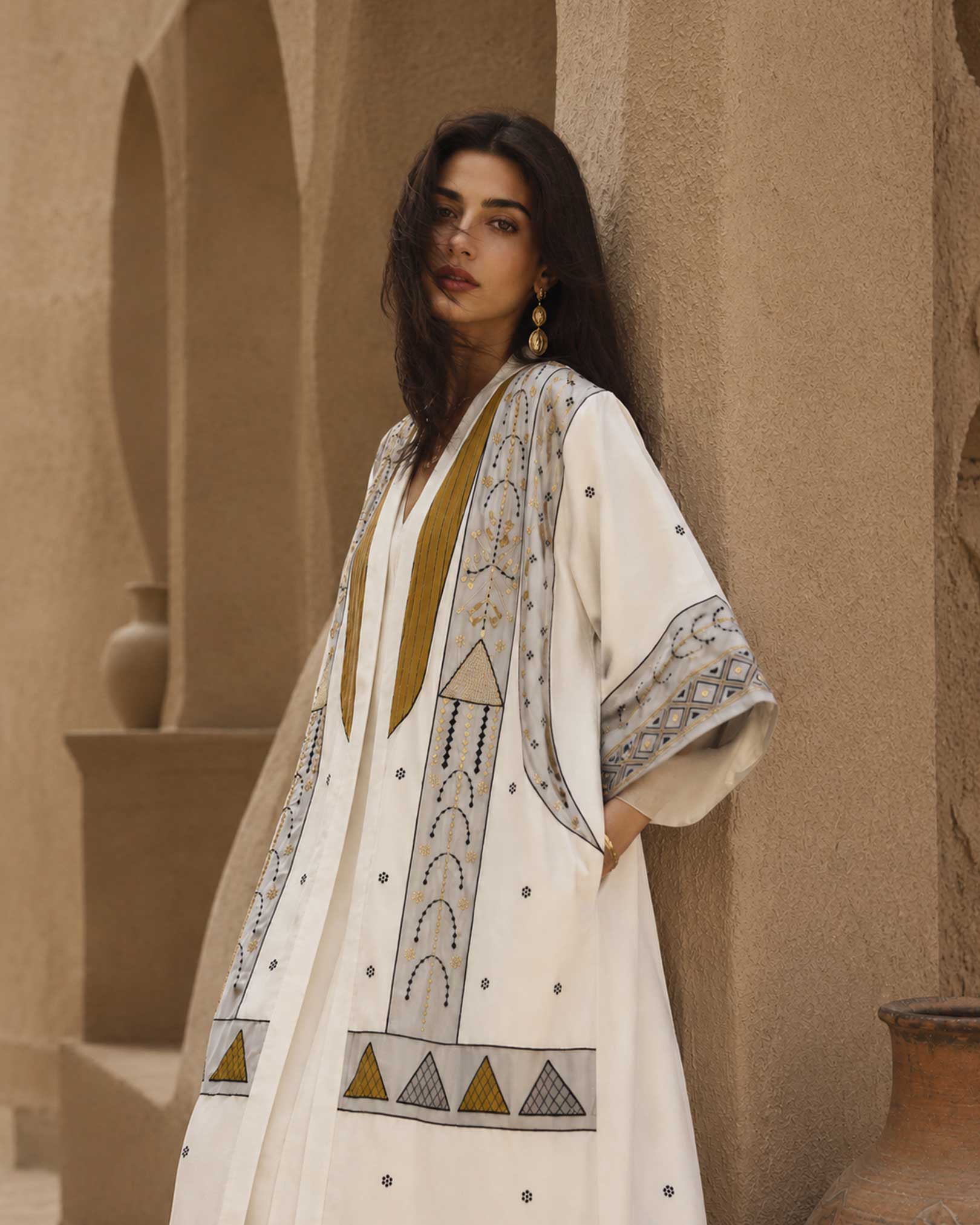
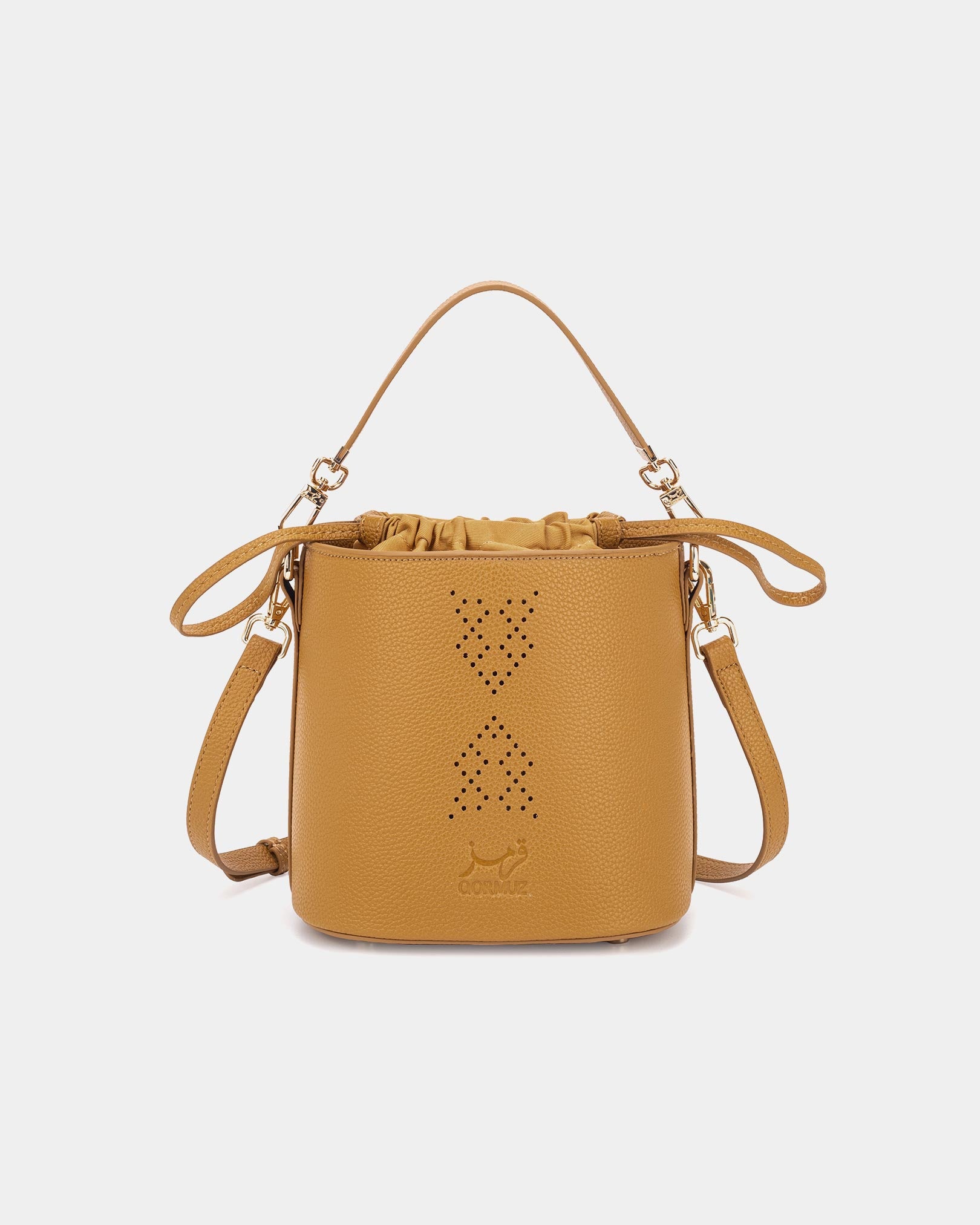
At Lavish Concepts, designers and artists reinterpret these influences through contemporary pieces that bridge past and present. ACH draws inspiration from the character of Najd, with each piece carrying a cultural narrative rooted in regional storytelling. Qormuz references traditional craftsmanship and the distinctive forms of Najdi pigeon towers (Dalam), while also incorporating natural elements such as leaves and botanical motifs, bringing together architecture, environment and design.
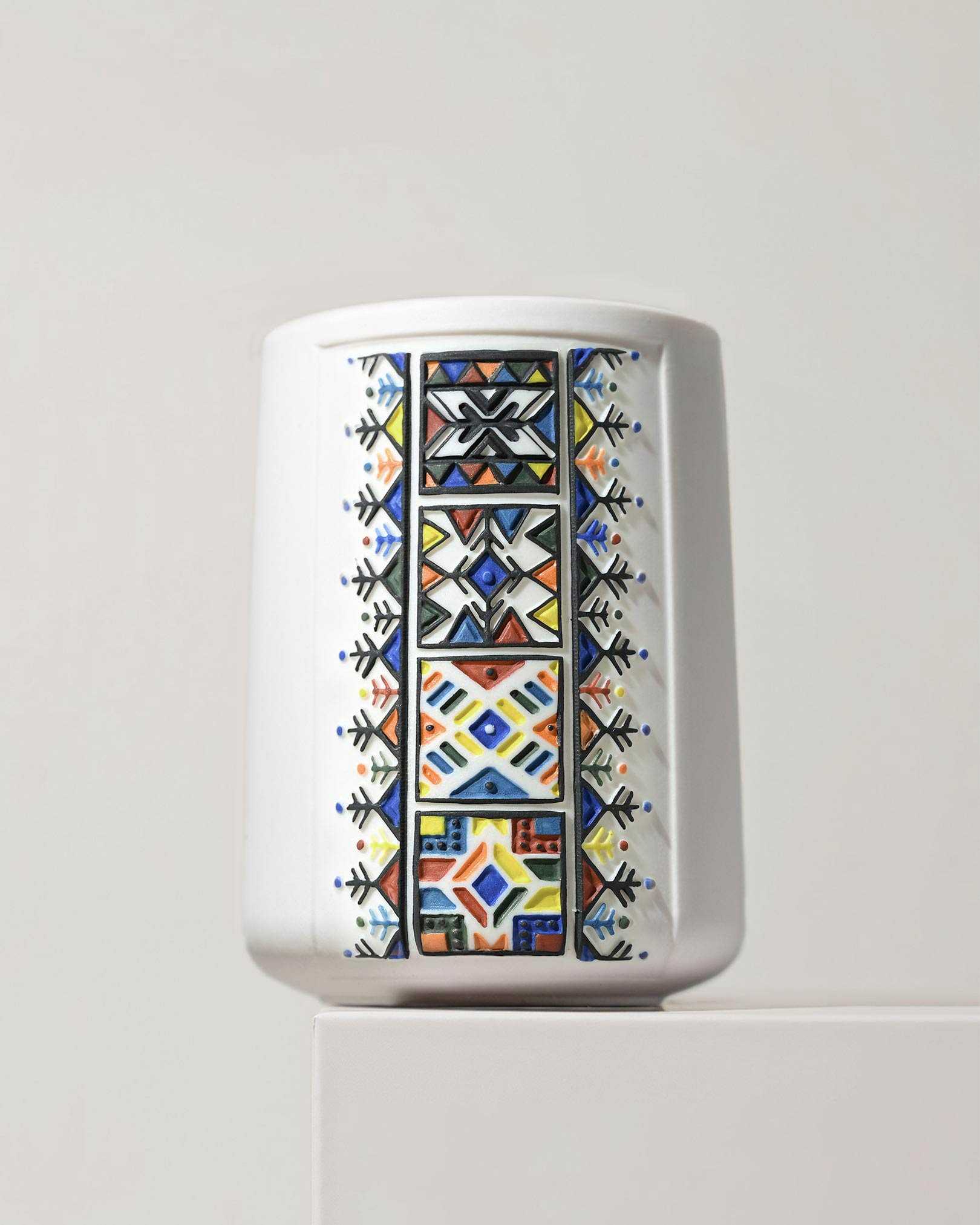
Herfah celebrates the artistic practices of the Asir region, renowned for its painted interiors and distinctive decorative arts. These vibrant expressions of craftsmanship showcase a unique visual language shaped by colour, skill and regional identity. Xena Kalouti reflects the layered histories of Jordan's ancient civilisations, creating work informed by the symbols, geometries and artistic traditions that have evolved across centuries.
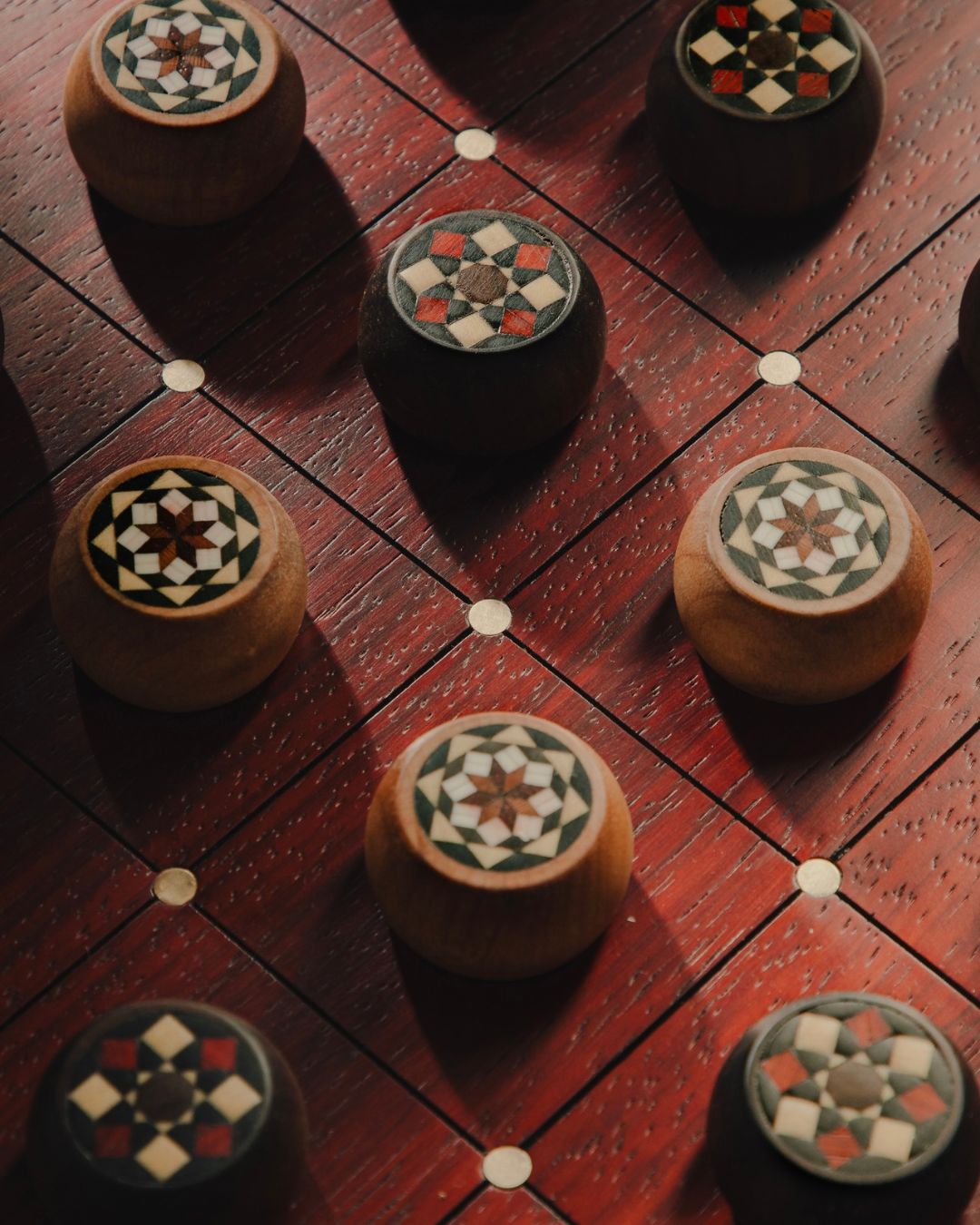
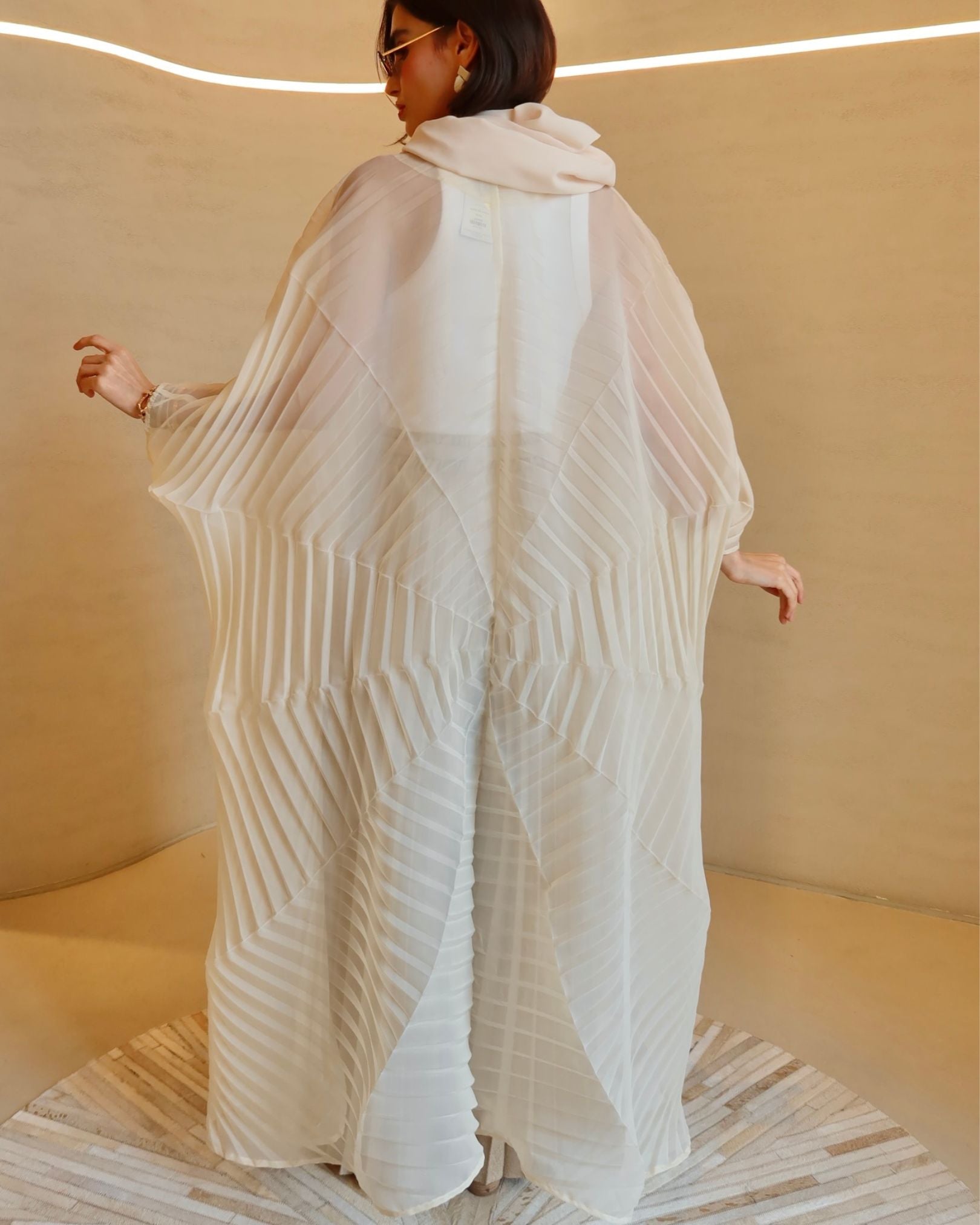
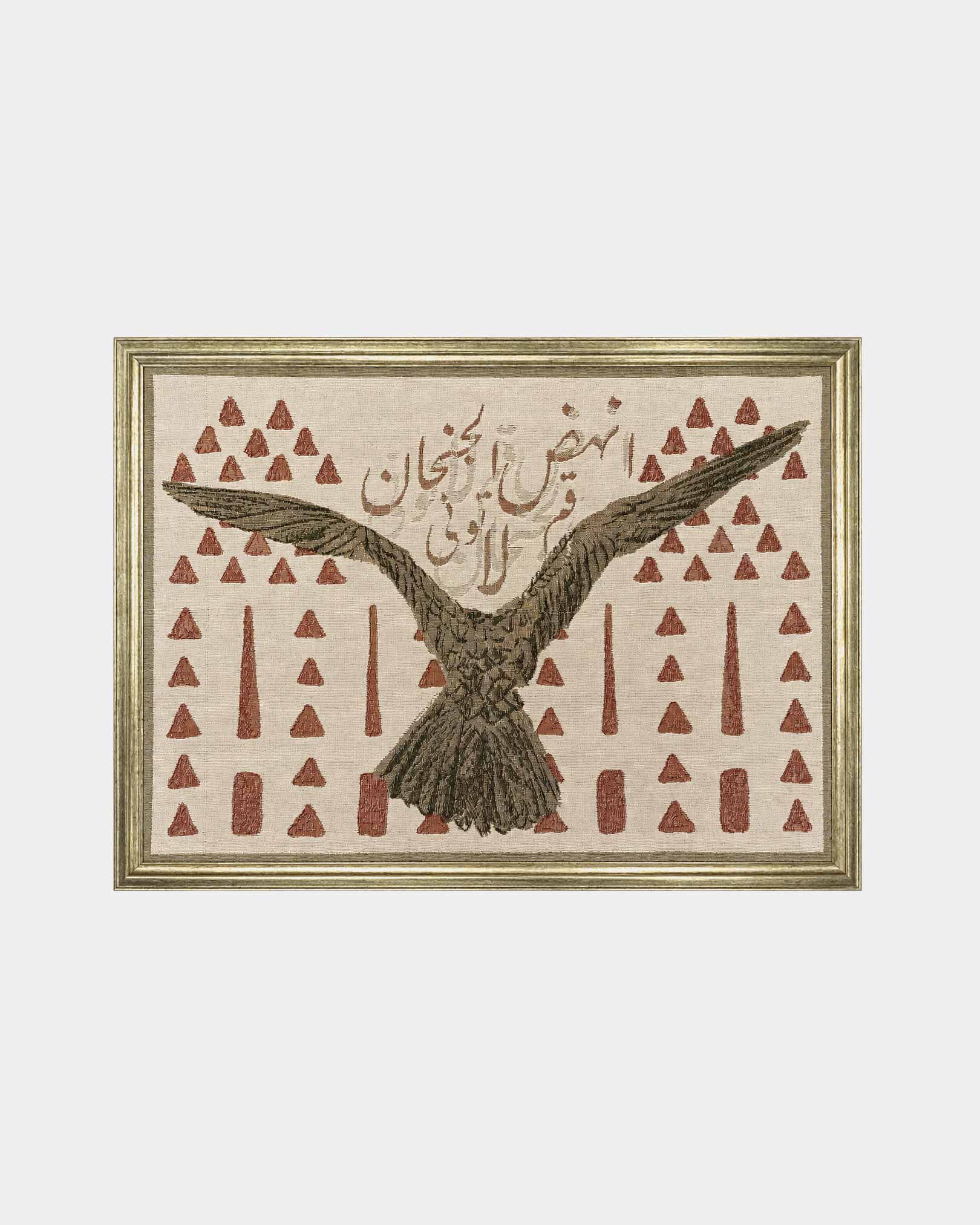
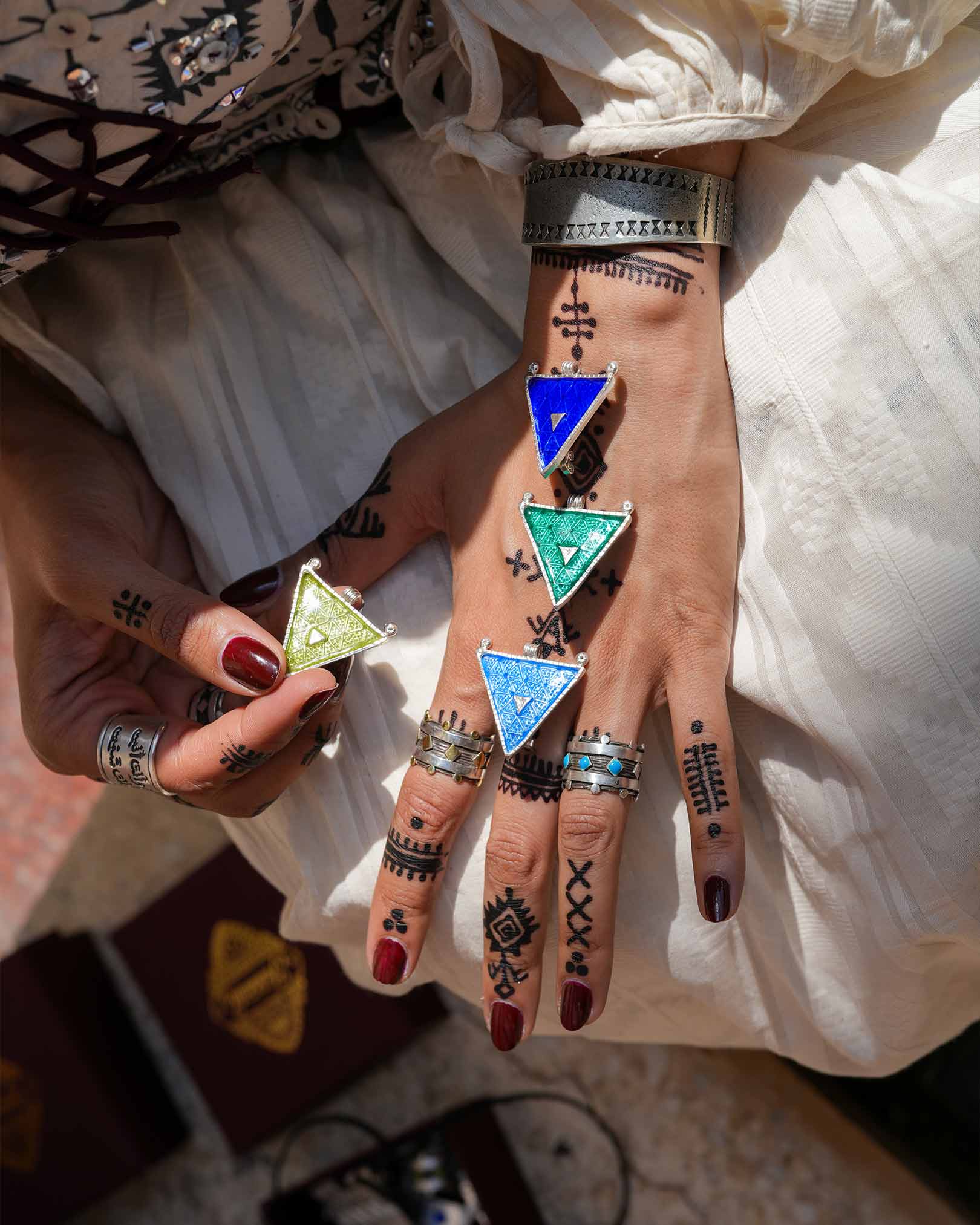
Geometry also appears through more unexpected sources. FLounge explores the delicate radial structure of a cobweb, translating a naturally occurring pattern into contemporary design. Farbasta jewellery highlights the visual strength of geometric form through its distinctive triangular shapes, demonstrating how simple proportions can create striking compositions. Turquoise Mountain artisans draw on botanical motifs and organic forms, transforming elements from the natural world into jewellery of enduring craftsmanship. MIMOSA's woven artworks introduce another dimension, where delicate patterns and intricate details create subtle rhythm and harmony, demonstrating how repetition can be both expressive and refined.
Preserving Tradition Through Tatreez
Inaash preserves Palestinian tatreez embroidery, working with women artisans to sustain an artistic practice passed from generation to generation. Through intricate stitching, the organisation safeguards designs that communicate identity, community and belonging, connecting contemporary audiences with traditional craft.

Heritage Through a Contemporary Lens
Across the collections, geometry, ornament and decorative forms emerge through architecture, craft and the natural world. Shared design principles reveal the enduring influence of regional civilisations and the creative exchanges that connected them. Through contemporary expression, our designers, artists and brands demonstrate how these visual languages continue to evolve. Each piece carries cultural depth and a strong sense of place.
Shop the collections, discover them in person at our atelier, and join us for Heritage Reframed at The Lanesborough on 29 and 30 November.