

Ramadan is a month defined by intention, reflection, and spiritual awareness. As daily rhythms slow and evenings become moments of gathering and prayer, clothing choices often become more thoughtful as well. During this sacred time, what we wear is not only about appearance, but about comfort, modesty, and meaning.
Colour plays a powerful role in this process. Across cultures and regions, colours worn during Ramadan carry symbolism — reflecting values such as purity, humility, gratitude, renewal, and celebration. Understanding these colour meanings can help guide more intentional wardrobe choices, whether for everyday fasting hours, evening iftars, mosque visits, or Eid celebrations.
Here, we explore the symbolism of the colours most often worn during Ramadan, and how they are interpreted through both traditional and modern modest style.
Table of Contents
- 1. The Role of Colour in Ramadan Clothing
- 2. White - Purity, Peace, and Spiritual Clarity
- 3. Soft Neutrals and Earth Tones - Grounding and Mindfulness
- 4. Pastels - Calm, Softness, and Reflection
- 5. Green - Renewal, Faith, and Balance
- 6. Blue - Serenity, Trust, and Spiritual Depth
- 7. Jewel Tones - Celebration and Evening Gatherings
- 8. Black - Elegance, Strength, and Contrast
- 9. Choosing Colours With Intention
The Role of Colour in Ramadan Clothing
During Ramadan, clothing tends to balance practicality with reverence. Breathable fabrics, relaxed silhouettes, and modest cuts are essential, but colour often sets the emotional tone of an outfit. Many people gravitate toward softer, calmer shades during the day and richer, more expressive colours in the evenings. This shift mirrors the spiritual flow of Ramadan itself — introspective by day, communal and celebratory by night.
Colour choices are often influenced by:
- Cultural tradition
- Climate and season
- Spiritual mood
- The occasion (fasting, prayer, iftar, Eid)

White - Purity, Peace, and Spiritual Clarity
White is one of the most symbolic colours during Ramadan. It represents purity, humility, and renewal — core values of the holy month. Traditionally worn for prayers and religious gatherings, white clothing conveys simplicity and devotion. It reflects light, keeps the body cool in warm climates, and creates a sense of calm and balance.
How white is worn during Ramadan:
- Flowing kaftans or abayas for prayers
- Lightweight tunics and dresses for daytime fasting
- White-on-white outfits paired with subtle embroidery or texture


White is often chosen for mosque visits and spiritual moments, where understated elegance is preferred over embellishment.
Soft Neutrals and Earth Tones - Grounding and Mindfulness
Beige, sand, taupe, camel, and soft browns are widely worn during Ramadan for their grounding quality. These colours reflect humility and connection to nature, aligning with the month’s focus on mindfulness and restraint. Neutral tones are especially popular for daily wear, offering versatility and ease while maintaining a refined look.
Why neutrals work so well during Ramadan:
- They feel calming and unobtrusive
- They pair effortlessly with embroidery and texture
- They suit both day and evening styling


Neutral kaftans and dresses are often elevated through handcrafted details, tonal embroidery, or subtle metallic accents, allowing craftsmanship to take center stage without overwhelming the look.
Pastels - Calm, Softness, and Reflection
Pastel shades such as blush pink, sage green, lavender, powder blue, and soft peach have become increasingly popular in modern Ramadan wardrobes. These colours evoke tranquility, grace, and emotional softness — reflecting the quieter, introspective side of the month.
Pastels are often chosen for:
- Family iftars
- Daytime gatherings
- Relaxed evening events
Their gentle presence makes them ideal for flowing silhouettes and lightweight fabrics, offering comfort without sacrificing elegance.
Pastel scarves, in particular, bring a quiet sense of expression to Ramadan styling. Draped loosely over the shoulders, wrapped softly around the neck, or worn as a headscarf, they offer flexibility without feeling overstated. One scarf can be styled and re-styled in countless ways, moving easily from daytime gatherings to evening iftars, while keeping an overall feeling of calm and ease.


Green - Renewal, Faith, and Balance
Green holds deep spiritual significance in Islamic culture and is strongly associated with renewal, growth, and faith. During Ramadan, green is often worn to symbolize balance between the physical and spiritual worlds. From olive and sage to emerald and lime, green appears across many traditional and contemporary garments.
How green is used in Ramadan clothing:
- Olive and sage for understated daily wear
- Emerald or deep green for evening elegance
- Fresh lime or mint tones for a modern interpretation
Green kaftans and dresses often feature contrast embroidery or natural textures that enhance the colour’s organic feel.


Blue - Serenity, Trust, and Spiritual Depth
Blue represents calmness, trust, and inner peace — making it a natural choice during Ramadan. It is particularly popular for evening wear and prayer garments, where comfort and composure are essential. Lighter blues evoke openness and reflection, while deeper navy and cobalt shades bring a sense of depth and quiet strength.
Common blue styles during Ramadan include:
- Long-line jackets layered over modest outfits
- Evening kaftans with tonal embroidery
- Indigo and navy looks for cooler nights


Blue offers a timeless elegance that works across cultures and occasions.
Jewel Tones - Celebration and Evening Gatherings
As the sun sets and the fast is broken, colour choices often become richer and more expressive. Jewel tones such as burgundy, emerald, sapphire, deep purple, and black with contrast embroidery are commonly worn for evening iftars and Eid celebrations. These colours symbolize abundance, gratitude, and joy — emotions closely tied to communal gatherings during Ramadan.
Jewel tones are ideal for:
- Formal iftar dinners
- Special family gatherings
- Eid al-Fitr celebrations
They are frequently paired with metallic embroidery, intricate detailing, or luxurious fabrics to mark the festive nature of these occasions.


Black - Elegance, Strength, and Contrast
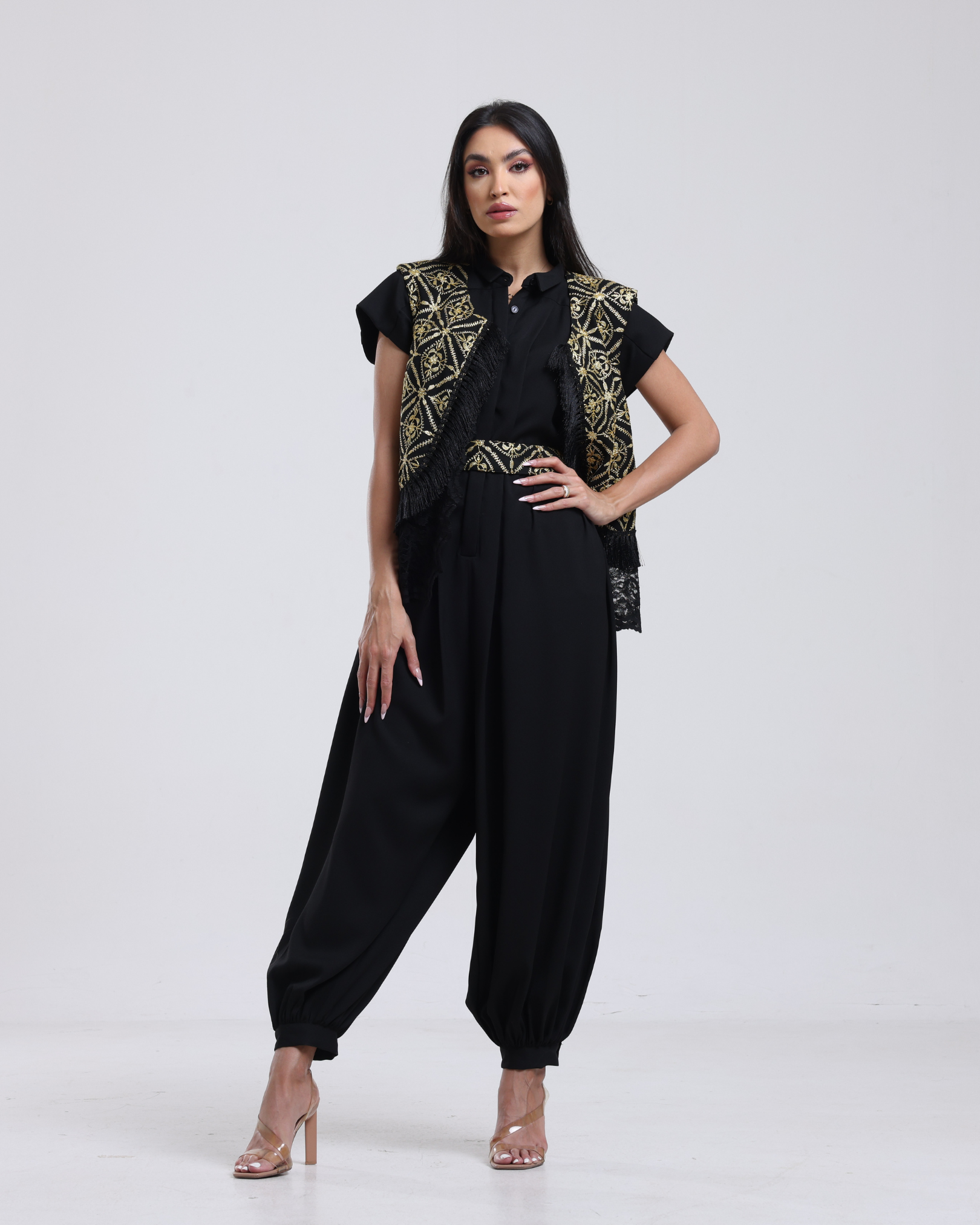
While often associated with formality, black holds a special place in Ramadan clothing. It represents strength, dignity, and timeless elegance. Black garments are commonly adorned with contrasting embroidery or embellishments, allowing tradition and craftsmanship to stand out.
Black is often worn for:
- Evening events
- Statement kaftans and long-line jackets
- Eid outfits with bold detailing
Its versatility allows it to transition effortlessly from prayer to celebration.


Choosing Colours with Intention
Ramadan invites a more conscious approach to dressing — one that aligns comfort, modesty, and meaning. Colour choices become an extension of personal reflection, cultural heritage, and spiritual awareness. Whether you gravitate toward soft neutrals, symbolic greens, calming blues, or rich evening tones, the most meaningful Ramadan wardrobe is one chosen with intention.
By understanding colour symbolism, dressing during Ramadan becomes not just a visual expression, but a quiet reflection of the month itself — thoughtful, grounded, and deeply personal.