

UNESCO's International Day of the Intangible Cultural Heritage, observed on 17 October, celebrates living heritage: the practices, knowledge, skills and traditions that communities continue to pass from one generation to the next. Across the Arab world, these traditions remain visible through craftsmanship, performance, artistic expression and cultural practices that continue to inspire contemporary fashion, art and design.
Table of Contents
- 1. Al Sadu Weaving: A Bedouin Textile Tradition
- 2. Al-Qatt Al-Asiri: Traditional Wall Decoration of Saudi Arabia
- 3. Alardah Alnajdiyah: Saudi Arabia’s Traditional Dance and Poetry
- 4. Arabic Calligraphy: A UNESCO-Recognised Art Form
- 5. Arabic Coffee: A Tradition of Hospitality and Cultural Heritage
- 6. Camel Racing: Tradition and Cultural Heritage in the Arabian Peninsula
- 7. Contemporary Expressions of Living Heritage
- 8. A Shared Cultural Landscape
- 9. Visit the Atelier and Attend Heritage Reframed Winter Showcase
Al Sadu Weaving: A Bedouin Textile Tradition
Traditional Weaving of Al Sadu is recognised by UNESCO as an element of Intangible Cultural Heritage. Rooted in Bedouin traditions, the practice is distinguished by geometric motifs, bold linear compositions and specialised weaving techniques that have been transmitted through generations.
Dalsh Designs draws from this heritage through refined silhouettes and woven detailing that echo the rhythm and geometry associated with Al Sadu.
La Reine extends this tradition through a tote bag featuring Saudi Al Sadu-inspired patterns, translating a historic weaving language into contemporary everyday use.

Al-Qatt Al-Asiri: Traditional Wall Decoration of Saudi Arabia
Al-Qatt Al-Asiri, female traditional interior wall decoration in Asir, Saudi Arabia was inscribed by UNESCO in recognition of a distinctive artistic tradition practised largely by women. Characterised by vibrant colours and geometric forms, the practice transforms interior spaces into expressions of identity, creativity and cultural continuity.
Herfah celebrates this heritage through hand-carved and hand-painted porcelain, translating the visual language of Asiri decoration into contemporary functional design.

Alardah Alnajdiyah: Saudi Arabia’s Traditional Dance and Poetry
Alardah Alnajdiyah, dance, drumming and poetry in Saudi Arabia is recognised by UNESCO as an important performing tradition. Combining rhythmic movement, percussion and poetry, it continues to be practised during celebrations, cultural gatherings and significant occasions throughout Saudi Arabia.
ACH interprets this heritage through the Najdi Ardah Abaya. The set includes an abaya with a grey top and trousers, offering a contemporary interpretation of a tradition deeply connected to Saudi cultural life.

Arabic Calligraphy: A UNESCO-Recognised Art Form
Arabic calligraphy: knowledge, skills and practices was inscribed by UNESCO in 2021. The art form is defined by balance, proportion and fluency, and continues to influence architecture, design, textiles and contemporary visual culture across the Arab world.
The Opulent explores the intersection of Arabic heritage, calligraphy and contemporary form. Each piece begins as hand-drawn script and evolves into a sculptural object for modern living spaces.
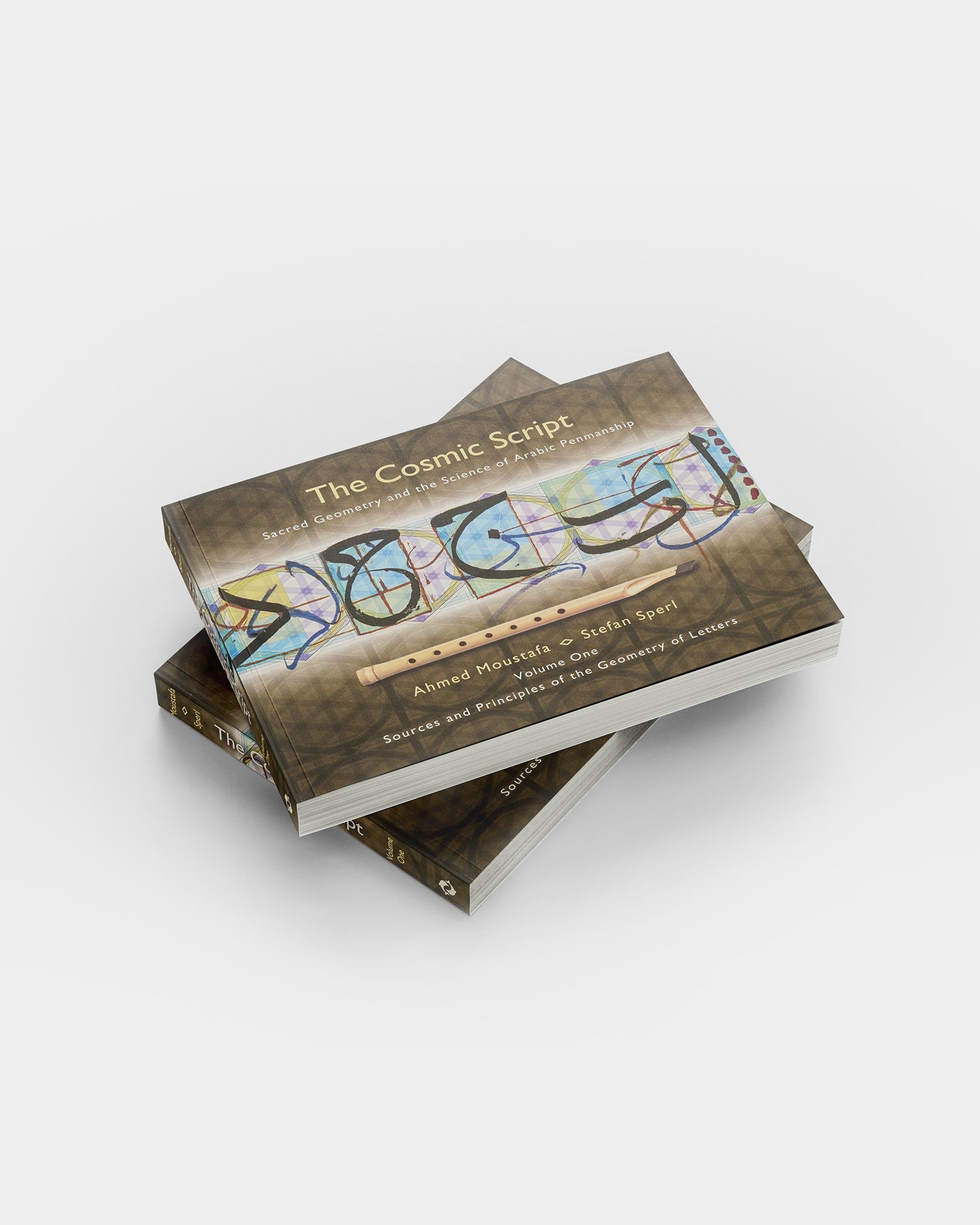
DAR LAYAN CULTURE presents The Cosmic Script, an exploration of the artistic, geometric and intellectual foundations of Arabic calligraphy. Through detailed research and illustration, the publication examines the principles that have shaped generations of calligraphers.
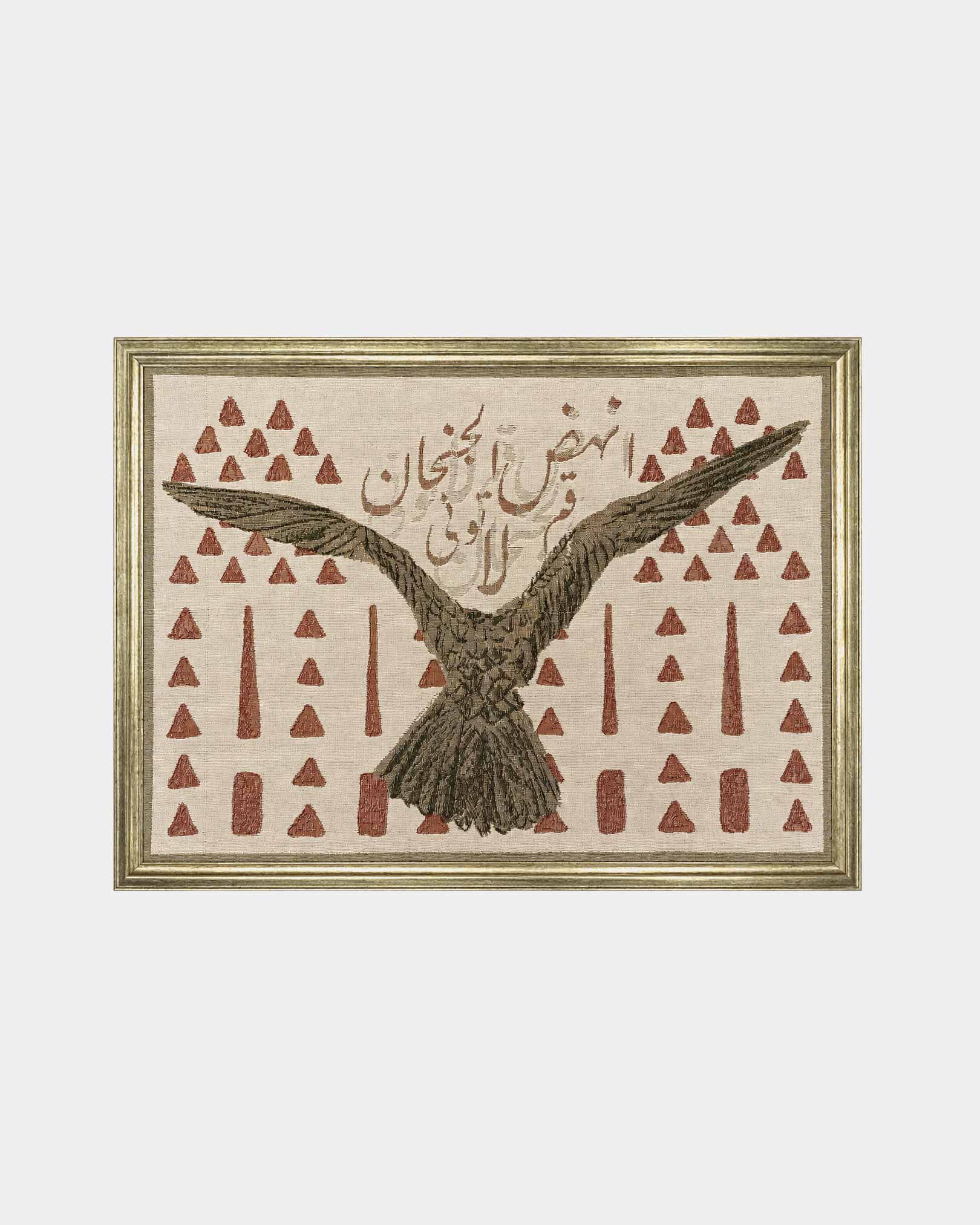
MIMOSA incorporates calligraphy into woven artworks inspired by poetry and symbolism. In the piece inspired by Nahmad Allah, a falcon symbolises determination and triumph, paired with Najdi patterning inspired by Salwa Palace in Turaif.
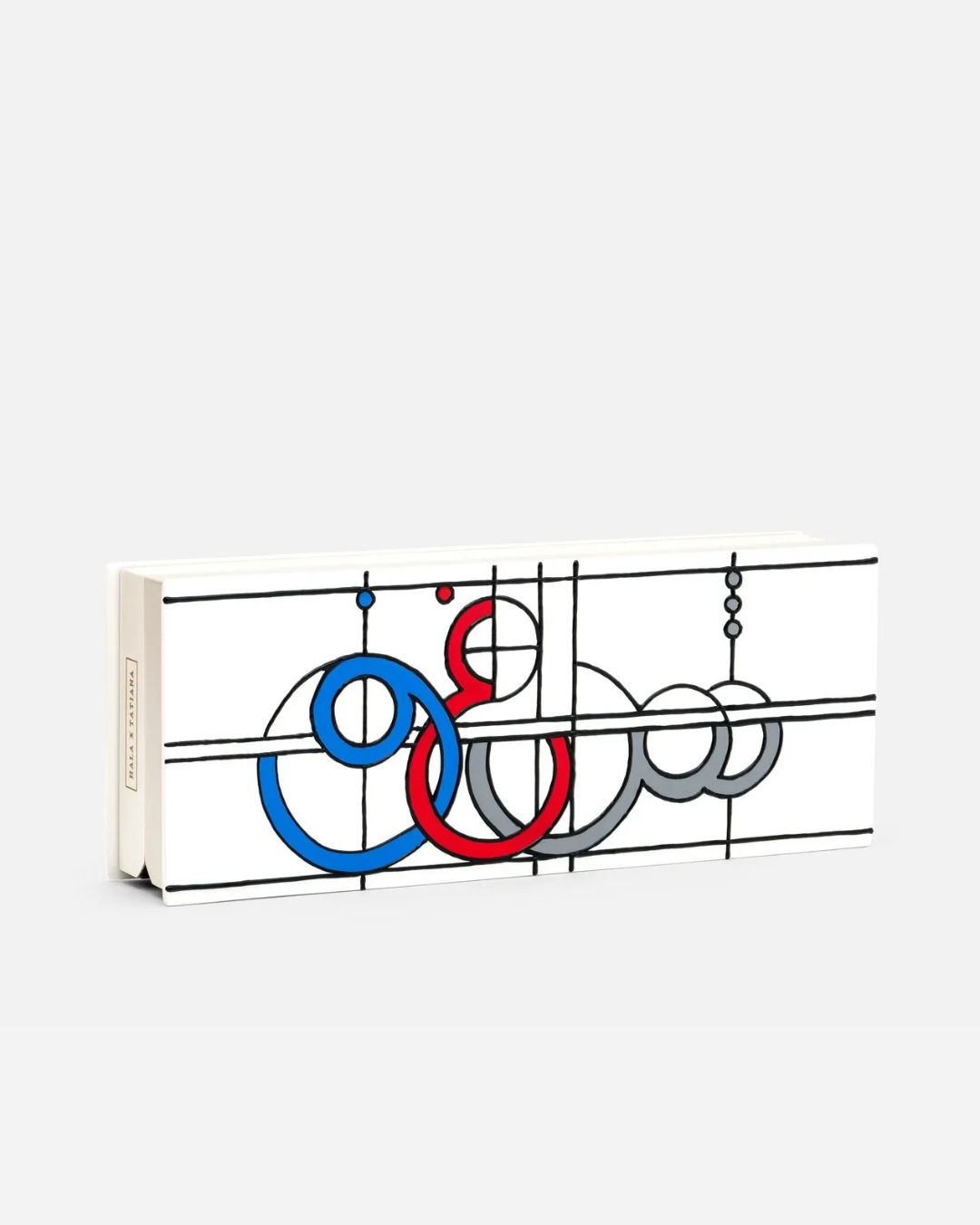
Hala & Tatiana interpret calligraphy through the Adore Clutch. The word "adore" appears in Arabic and is hand-painted in geometric motifs on white plexiglass, framed with a silver-plated engraved logo.

Arabic Coffee: A Tradition of Hospitality and Cultural Heritage
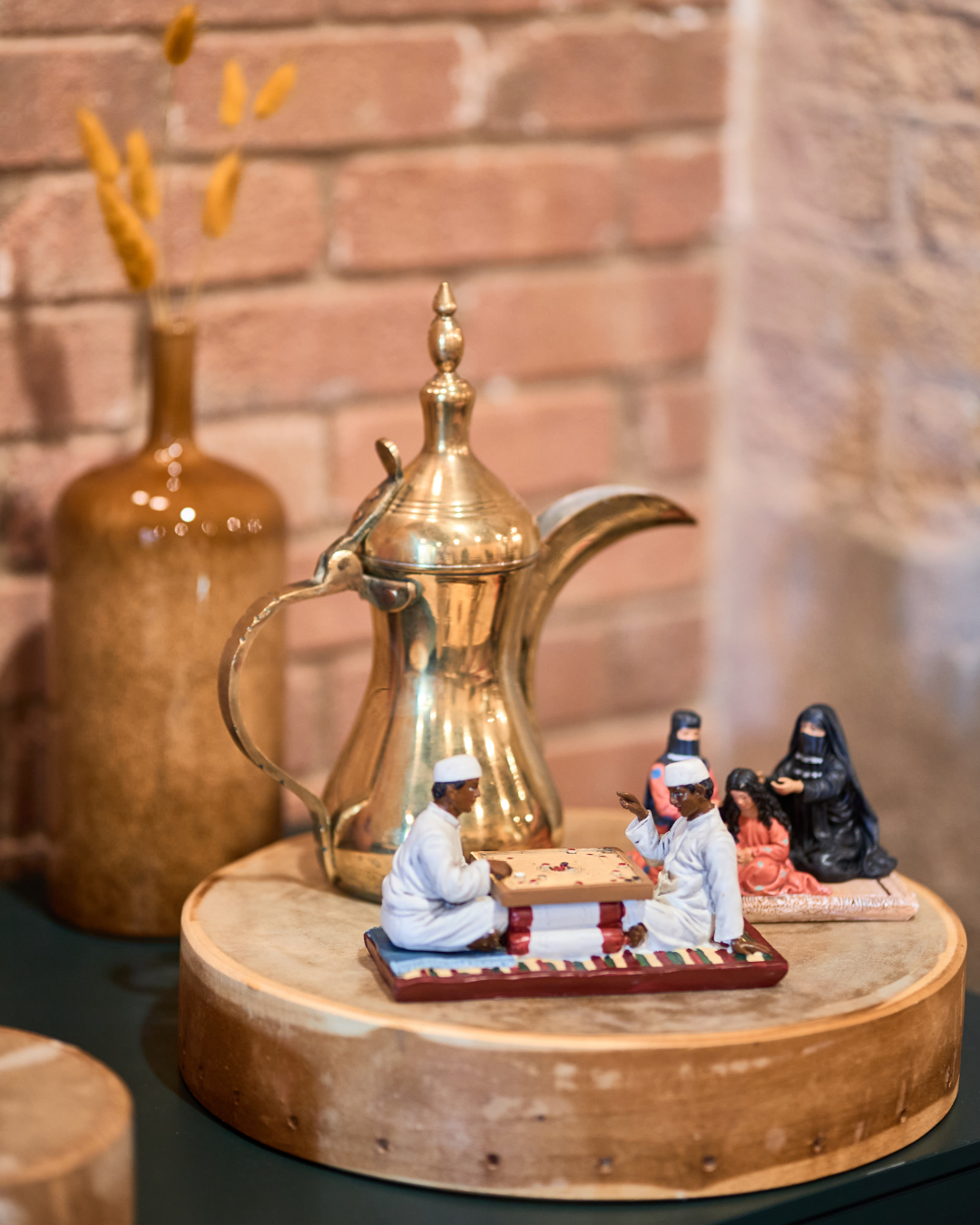
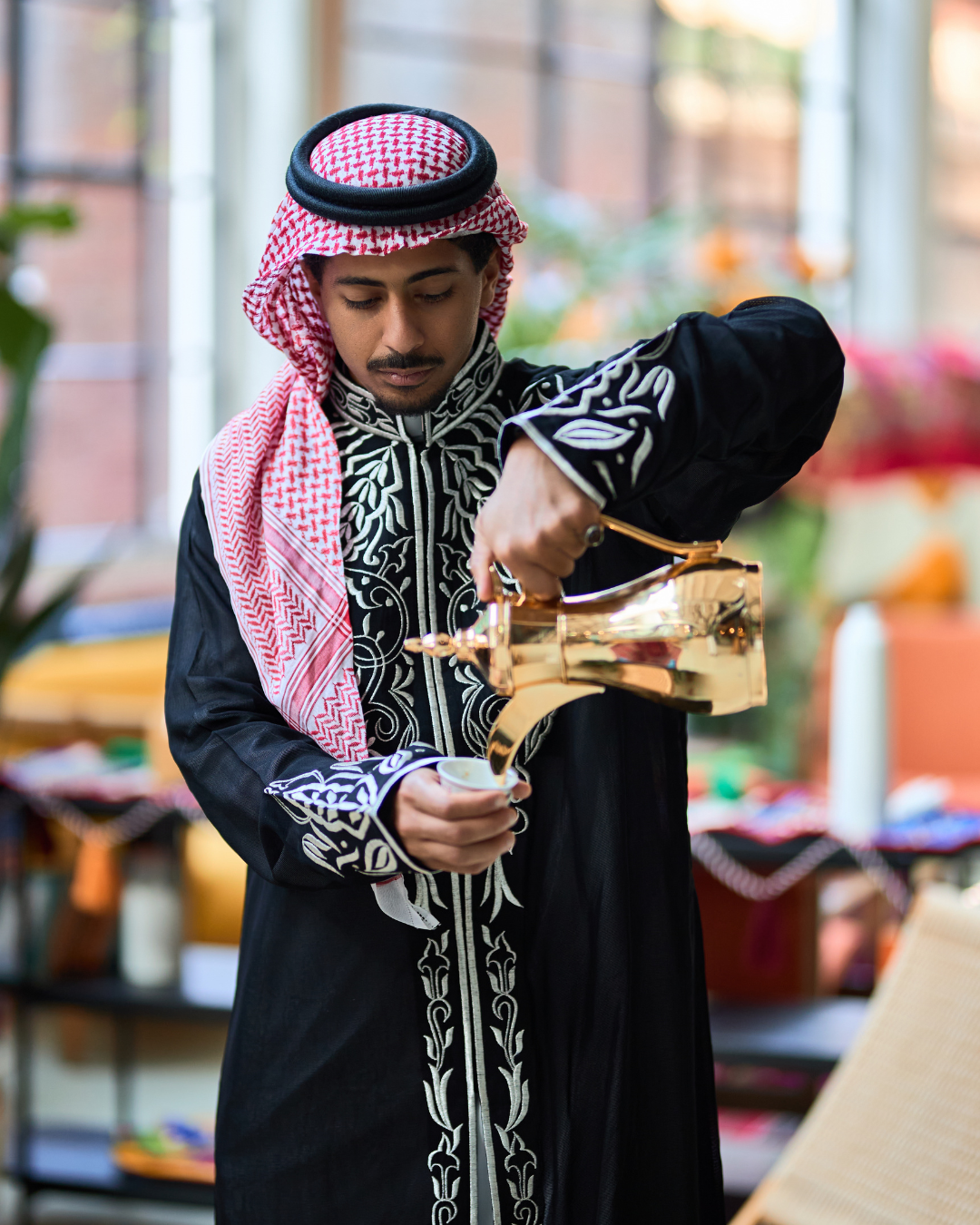
Arabic coffee, a symbol of generosity is recognised by UNESCO as an element of Intangible Cultural Heritage. The preparation, serving and sharing of coffee remain closely associated with hospitality, welcome and social connection throughout the Arab world.
Distinct regional traditions shape both the flavour and presentation of coffee. Lightly roasted Arabica beans, aromatic spices and the ritual of serving coffee in a finjal continue to play an important role in gatherings and cultural life.
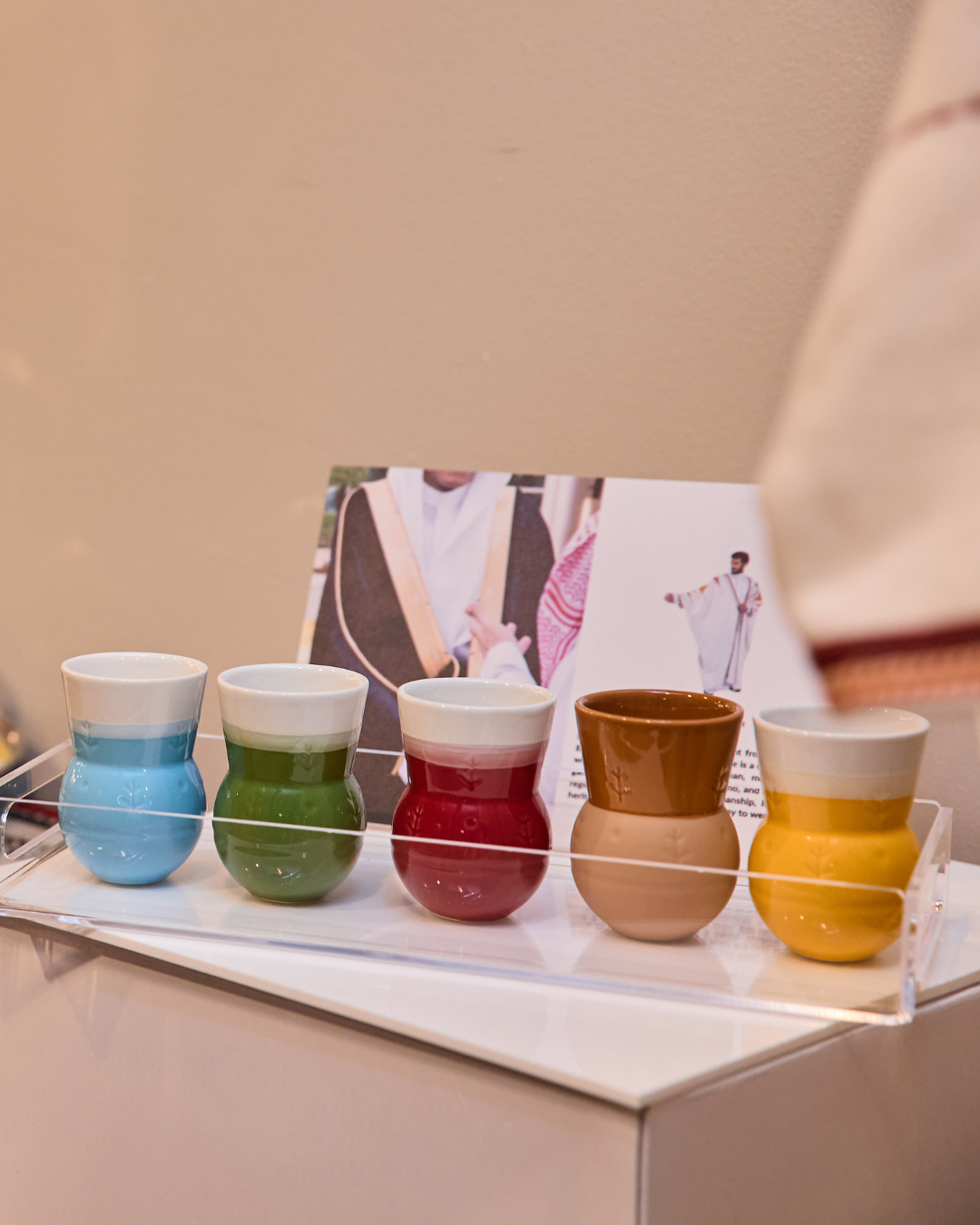
Qormuz celebrates this heritage through its Saudi Coffee collection, inspired by the customs and rituals associated with gahwa (qahwa) across the Kingdom. Qormuz's Fenjalah Ceramic Cups draw inspiration from the traditional finjal used to serve Arabic coffee. Through contemporary craftsmanship and refined design, the cups honour one of the region's most enduring hospitality traditions.
Camel Racing: Tradition and Cultural Heritage in the Arabian Peninsula
Camel racing, a social practice and a festive heritage associated with camels is recognised by UNESCO as an element of Intangible Cultural Heritage. The practice encompasses specialist knowledge, preparation, participation and community traditions associated with camel culture across the Arabian Peninsula.
DAR LAYAN CULTURE explores this legacy through The Camel Through the Ages, a scholarly publication examining the historical, archaeological and cultural significance of camels throughout human civilisation. Bringing together research, imagery and specialist contributions, the work highlights the enduring relationship between people and camels across the Arab world.

Contemporary Expressions of Living Heritage
Across Lavish Concepts, these traditions appear through designers, artisans and cultural organisations that reinterpret living heritage with sensitivity and contemporary relevance. Their work draws from artistic practices, craftsmanship and cultural traditions that continue to shape creative expression today.
Fashion, objects, books and artworks become vehicles for cultural storytelling, creating connections between generations while supporting artisan knowledge and the continued transmission of heritage practices.
A Shared Cultural Landscape
The International Day of the Intangible Cultural Heritage highlights the importance of safeguarding living traditions and cultural knowledge. Traditional Weaving of Al Sadu, Al-Qatt Al-Asiri, female traditional interior wall decoration in Asir, Saudi Arabia, Alardah Alnajdiyah, dance, drumming and poetry in Saudi Arabia, Arabic calligraphy: knowledge, skills and practices, Arabic coffee, a symbol of generosity and Camel racing, a social practice and a festive heritage associated with camels each represent distinctive cultural practices that continue to enrich contemporary life.
Together, they form a rich cultural tapestry shaped by craftsmanship, creativity, knowledge and community. Through curated collections, collaborations and cultural showcases, Lavish Concepts highlights the continuing relevance of living heritage in contemporary fashion, art and design.
Visit the Atelier and Attend Heritage Reframed Winter Showcase
Experience these traditions in person. Visit the Lavish Concepts atelier to explore the collections and engage with the craftsmanship and cultural traditions behind each piece.
Join us for the Heritage Reframed Winter Showcase at The Lanesborough on 29 and 30 November, a celebration of cultural heritage, contemporary design and artisanal excellence.
