

Few gemstones possess a colour as captivating as lapis lazuli. Its rich, celestial blue, sometimes scattered with delicate golden flecks, has fascinated artists, rulers and craftspeople for thousands of years. From the jewellery of ancient civilisations to the pigments of Renaissance masterpieces, lapis lazuli has travelled through history as a symbol of beauty, prestige and artistic expression.
Today, this remarkable blue stone continues to inspire contemporary jewellery designers, connecting centuries-old traditions with modern craftsmanship.
Table of Contents
- 1. What Is Lapis Lazuli?
- 2. A Gemstone Treasured for Thousands of Years
- 3. From Precious Stone to Renaissance Masterpieces
- 4. The Meaning and Symbolism of Lapis Lazuli
- 5. Lapis Lazuli in Contemporary Jewellery
- 6. How to Care for Lapis Lazuli Jewellery
- 7. Lapis Lazuli Through the Eyes of Modern Artisans at Lavish Concepts
What Is Lapis Lazuli?
Recognised for its unmistakable deep blue colour, lapis lazuli is a gemstone with an unusual composition. Unlike many gemstones formed from a single mineral, lapis lazuli is a metamorphic rock composed primarily of lazurite, calcite and pyrite.
Lazurite gives the stone its celebrated blue colour, while pyrite creates the tiny golden flecks that can resemble stars scattered across a night sky. White veins of calcite sometimes appear throughout the stone, making each piece visually distinct.
The most sought-after lapis lazuli displays a rich, intense blue, often with subtle golden inclusions. Its natural variations have long appealed to jewellery makers, who use the stone to create everything from delicate pendants to bold statement pieces.
A Gemstone Treasured for Thousands of Years
Human fascination with lapis lazuli dates back more than 6,500 years, making it one of the earliest gemstones used for jewellery and decorative objects.
For centuries, the mountains of Badakhshan in present-day Afghanistan have been an important source of this remarkable stone. From there, lapis lazuli travelled along ancient trade routes, reaching the great civilisations of Mesopotamia, Egypt and beyond.
In ancient Egypt, its brilliant blue colour made it a desirable material for jewellery, amulets and decorative objects. The stone was associated with royalty and held a special place in ceremonial and artistic traditions.
Mesopotamian craftspeople also valued lapis lazuli, fashioning it into beads, ornaments and intricately decorated objects. Its presence in distant regions reveals the importance of early trade networks and the extraordinary lengths people travelled to obtain beautiful materials.
Long before modern jewellery collections existed, lapis lazuli was already crossing borders, connecting cultures and inspiring generations of makers.

From Precious Stone to Renaissance Masterpieces
The influence of lapis lazuli extends far beyond jewellery.
During the Middle Ages and Renaissance, the stone became the source of one of the most prized pigments in European painting: natural ultramarine.
Creating natural ultramarine involved grinding lapis lazuli and carefully extracting its blue lazurite pigment, a labour-intensive process that made the colour exceptionally valuable. The resulting pigment was often reserved for significant elements of a painting, including religious figures and important decorative details.
Its remarkable colour gave artists a blue of extraordinary intensity, one that became closely associated with some of the most celebrated works of the period.
The same material that adorned ancient jewellery could therefore be found centuries later in European masterpieces, a testament to its enduring place in the history of art and design.
The Meaning and Symbolism of Lapis Lazuli
Throughout history, lapis lazuli has acquired layers of symbolic meaning.
Its deep blue colour has often been associated with the heavens, while different cultures have connected the stone with wisdom, truth, royalty and spiritual significance.
In ancient societies, lapis lazuli appeared in objects associated with power, protection and religious practices. Today, it continues to hold personal meaning for those who appreciate jewellery that carries a sense of history and symbolism.
Beyond these traditional associations, its appeal is also wonderfully simple: a colour found in few other natural materials, with a depth and richness that feels both striking and timeless.
Lapis Lazuli in Contemporary Jewellery
Although lapis lazuli has been admired for millennia, its beauty feels entirely at home in modern jewellery.
Its saturated blue creates a particularly striking contrast with gold, making it a favourite for earrings, necklaces, pendants and statement rings. The stone can bring colour to a minimalist design or become the centrepiece of something more elaborate.

A lapis lazuli pendant can add an unexpected detail to an understated outfit, while sculptural earrings introduce colour and character. Whether incorporated into geometric forms or designs inspired by traditional ornamentation, the stone offers jewellery makers a distinctive material with an extraordinary history.
What makes lapis lazuli especially compelling is the relationship between the material and the hands that shape it. Every polished surface, carefully considered setting and decorative detail contributes to a design that brings an ancient material into the present.
How to Care for Lapis Lazuli Jewellery
Despite its enduring appeal, lapis lazuli requires thoughtful care to preserve its natural beauty.
With a hardness of approximately 5 to 6 on the Mohs scale, it is softer than many other gemstones and can be scratched by harder materials. Its surface may also be sensitive to chemicals, excessive moisture and harsh cleaning methods.
To keep lapis lazuli jewellery looking its best, gently wipe the stone with a soft, dry cloth after wearing it. Avoid exposing it to perfumes, household cleaning products and prolonged contact with water. Ultrasonic and steam cleaners should also be avoided.
When not in use, store lapis lazuli pieces separately from harder gemstones and other jewellery to minimise scratches.
With appropriate care, the stone's distinctive blue colour and natural character can be enjoyed for generations.
Lapis Lazuli Through the Eyes of Modern Artisans at Lavish Concepts
At Lavish Concepts, we celebrate designers and makers whose work brings together craftsmanship, cultural heritage and contemporary creativity.
This philosophy is reflected in our selection of lapis lazuli jewellery by Turquoise Mountain and By Rahina, two names that bring their own distinctive perspectives to this remarkable gemstone.
Turquoise Mountain is dedicated to preserving traditional crafts and supporting artisan communities, bringing centuries-old techniques and artistic traditions into contemporary jewellery design. By Rahina offers a different creative expression, incorporating lapis lazuli into distinctive pieces that combine rich colour with modern silhouettes.
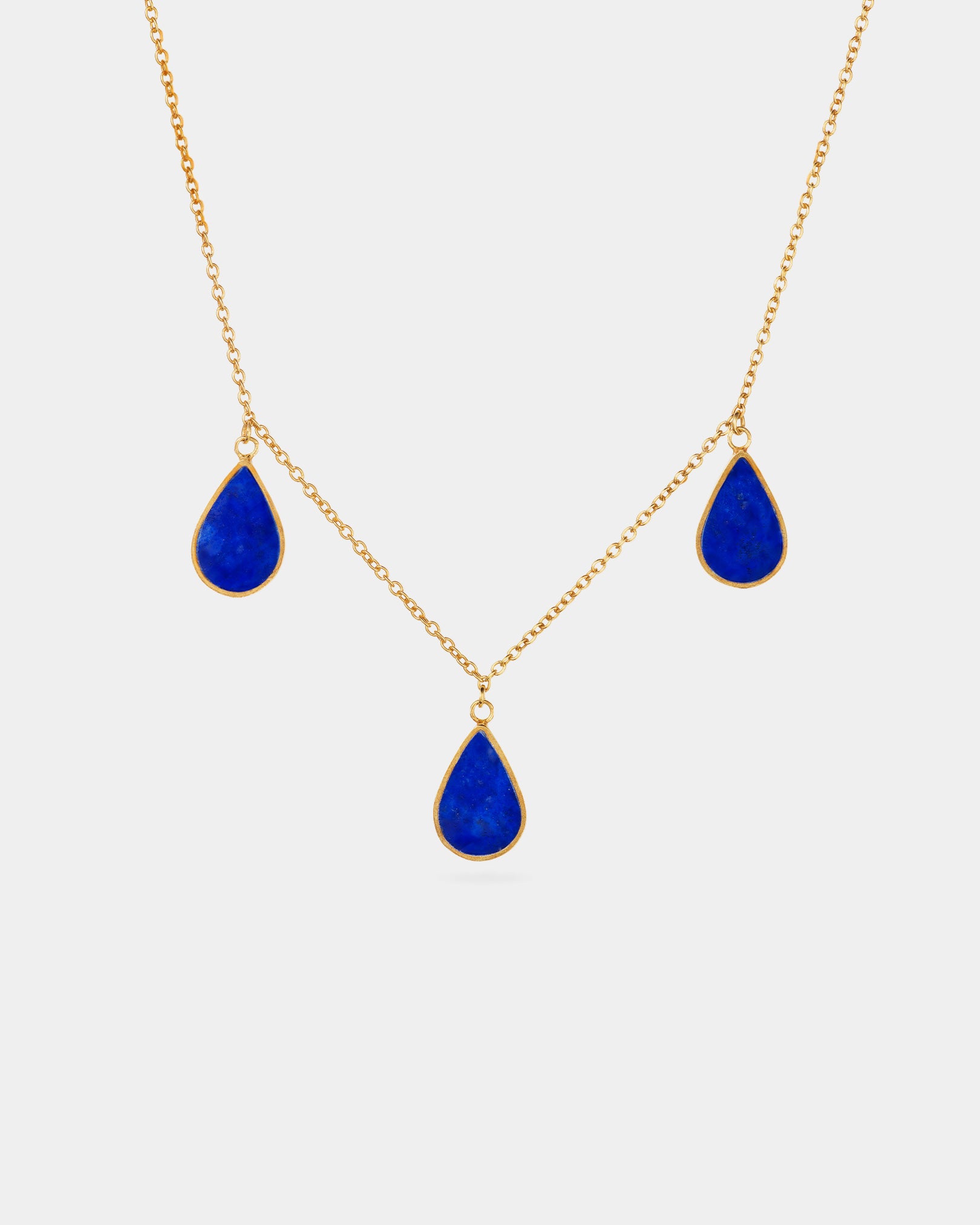
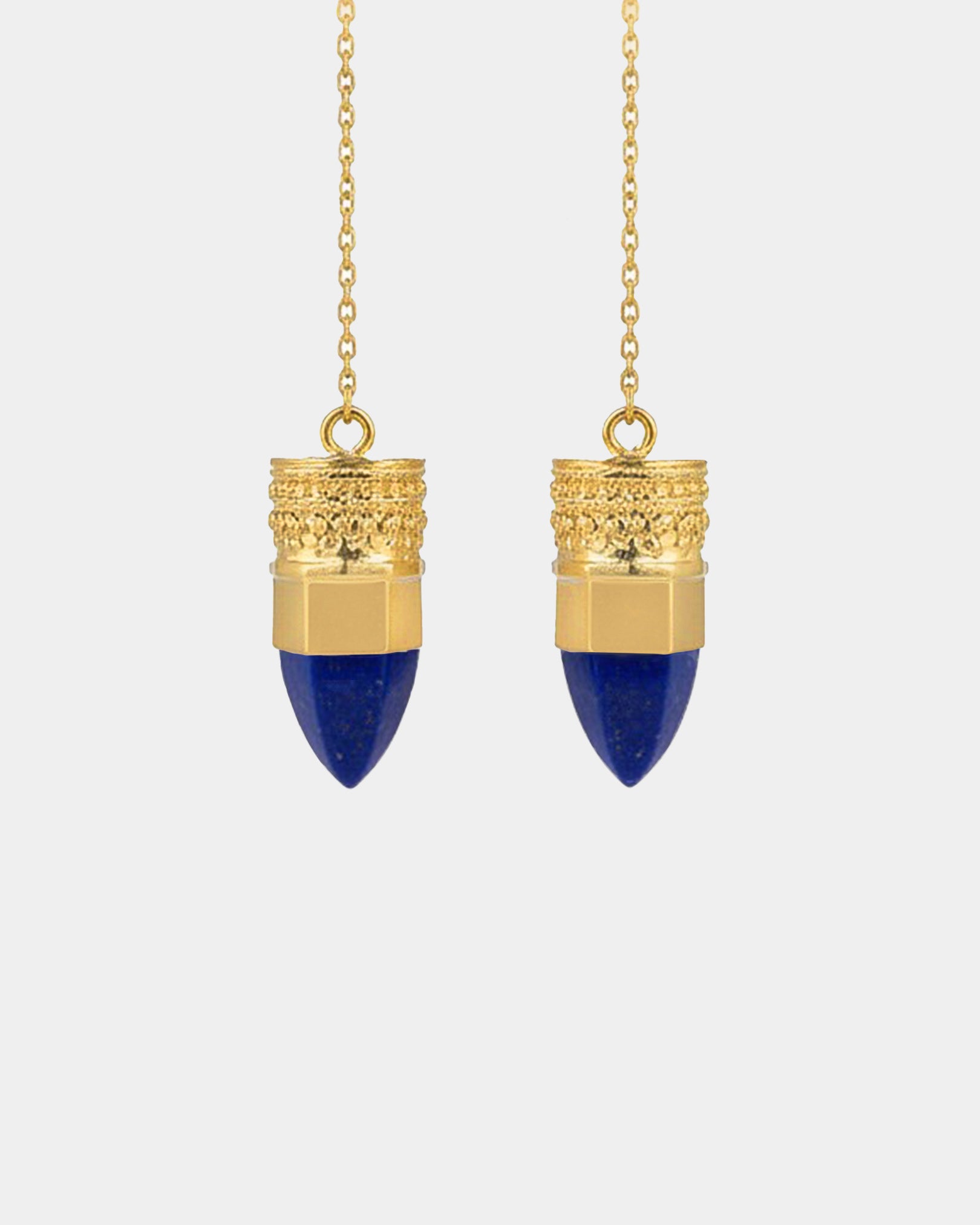
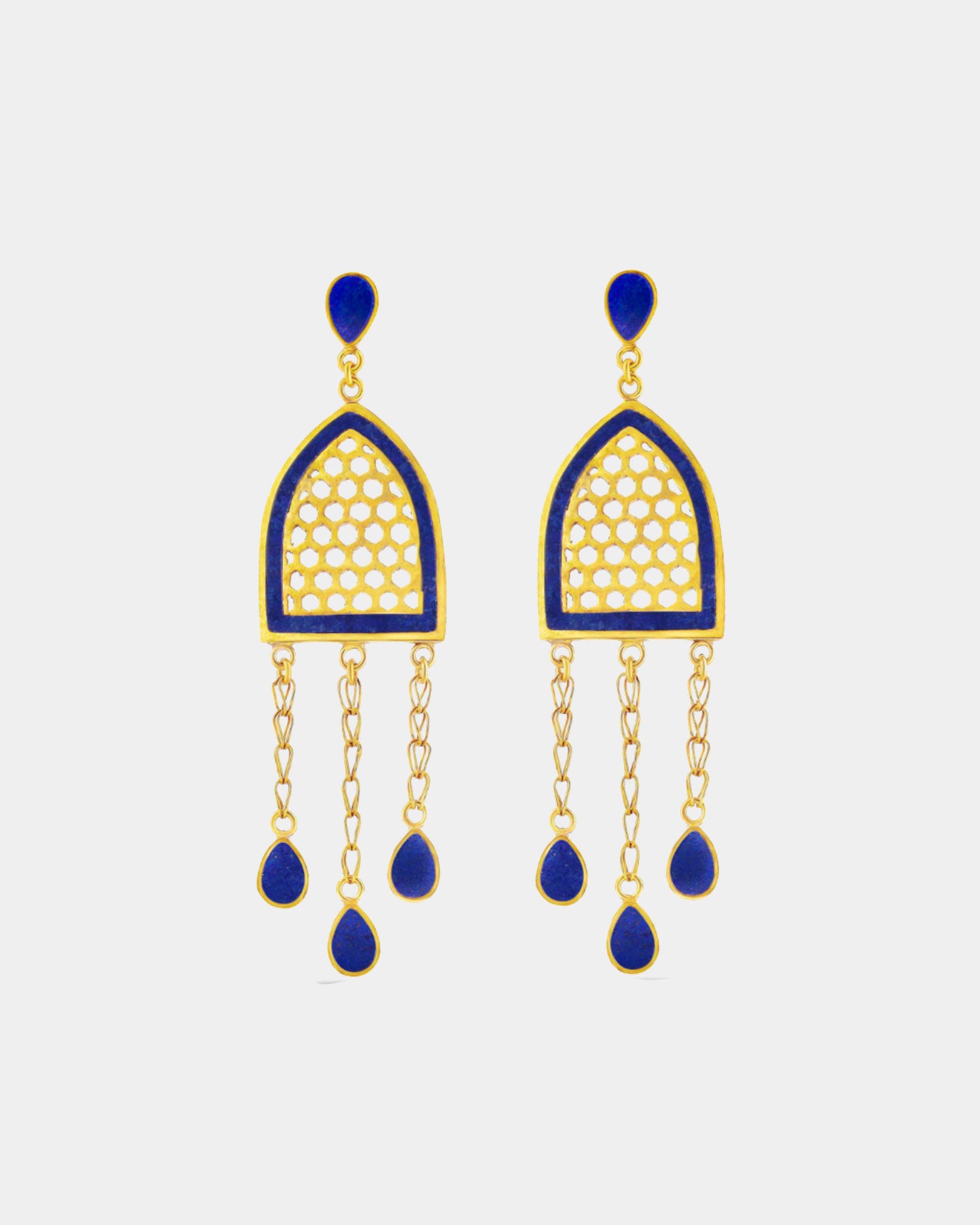
Together, their creations demonstrate the versatility of a gemstone that has been treasured for thousands of years. From intricate detailing to bold, expressive designs, lapis lazuli continues to connect the beauty of the past with contemporary style.
Explore the lapis lazuli collections at Lavish Concepts and discover new interpretations of this timeless blue gemstone.