

Every nation has a beginning it honours, not out of nostalgia but out of recognition.
On 22 February, the Kingdom of Saudi Arabia marks Saudi Founding Day, commemorating the establishment of the First Saudi State in 1727 by Imam Mohammed bin Saud in Diriyah. This moment anchors the story of the Kingdom in its earliest chapter, when Diriyah, a town in the Najd region, emerged as a centre of leadership and social organisation that would shape the future of the Arabian Peninsula.
This is not a celebration of a single event. It is an acknowledgment of beginnings.
Table of Contents
Saudi Founding Day vs Saudi National Day
It is important to understand what Founding Day is, and what it is not.
Saudi National Day, celebrated on 23 September, marks the unification of the Kingdom in 1932 under King Abdulaziz, when the modern state was officially declared.
Founding Day looks further back. It honours the establishment of the First Saudi State in 1727, when Imam Mohammed bin Saud assumed leadership in Diriyah, then a town in the Najd region. This moment is recognised as the beginning of organised governance that would evolve across centuries.
The distinction matters because it shows that Saudi identity did not appear suddenly. It developed through stages of leadership, community-building and political continuity.

The First Saudi State (1727–1818), followed by the Second Saudi State (1824–1891), form a connected historical arc that precedes the modern Kingdom. Founding Day highlights this longer narrative, a reminder that governance, culture and national consciousness were taking shape long before unification in 1932.
Living Cultural Continuity
What gives Founding Day its particular significance is the way it brings culture forward, not as something frozen in the past but as something lived.
Official imagery for the day often draws from the aesthetic language of 18th‑century Najd: natural fabrics, earth‑toned palettes, traditional garments and the craftsmanship associated with central Arabia. Celebrations may include poetry, equestrian displays, folk music and artisan practices that connect people today to the cultural world in which the First Saudi State emerged.
But this is not historical reenactment. It is continuity made visible.
The focus on traditional dress, for example, is not about costume. It reflects regional textile traditions that developed over generations: woven cotton, wool, hand‑embroidered details. These materials were shaped by trade routes, environment and social identity, and they speak to lived heritage rather than nostalgia.

Architecture carries this meaning too. The restoration and preservation of Diriyah signal more than heritage tourism; they affirm that the built environment of the First Saudi State remains part of an ongoing national story. Diriyah is recognised as the place where Imam Mohammed bin Saud assumed leadership in 1727, marking the beginning of the First Saudi State.
In this sense, Founding Day becomes a reflection on cultural depth, a reminder that identity is expressed not only in history but in the textures, sounds and spaces that continue to shape daily life.
Stability as a Foundation
The story of 1727 is also a story of governance.
Imam Mohammed bin Saud’s leadership marked the beginning of a political structure that sought cohesion in a region shaped by tribal networks and shifting alliances. As Diriyah grew into a capital, it brought clearer administration and strengthened social organisation.
Founding Day therefore honours not only cultural roots but the early frameworks of statehood. These were the systems that evolved through later eras and eventually led to the formation of the modern Kingdom.
The endurance of this narrative, across the First and Second Saudi States and into the 20th century, highlights a central theme: resilience.
Diriyah, Najd and the Geography That Shaped Saudi Identity
It is impossible to separate the story of Founding Day from the geography of Najd.
The central Arabian plateau shaped daily life in the 18th century. Trade moved along desert routes, and communities formed around oases that offered water and fertile ground. The materials available in this landscape, including clay, mudbrick, palm trunks and limestone, shaped the architecture that became characteristic of the region.
Even the palette associated with Founding Day, with its sand tones, clay hues, deep greens and muted browns, reflects the colours of Najd’s terrain.
The environment did not simply frame history; it influenced it. Social structures, craftsmanship and architectural design were all responses to climate and geography. Diriyah itself grew from an oasis settlement along Wadi Hanifah into the capital of the First Saudi State, a transformation made possible by its strategic and fertile location.

Founding Day acknowledges that the identity of the nation was shaped not only by leadership but also by land. The landscape of Najd provided the conditions in which community, governance and culture could take root.
How Saudi Founding Day Inspires Contemporary Saudi Design
What makes Saudi Founding Day especially compelling today is its relevance to the present.
The occasion does not freeze the country in its 18th‑century form. Instead, it offers a lens through which modern Saudi identity can be understood. It shows that heritage and innovation are not opposites. They inform one another.
Across design, architecture, literature and fashion, Saudi creatives continue to draw from historical references. Najdi motifs, regional embroidery techniques and traditional silhouettes are reinterpreted in ways that feel current and confident. These influences appear in textiles, product design, visual identity work and contemporary architecture, where traditional forms are translated into modern materials and proportions.
Founding Day reinforces this dialogue between past and present. It frames heritage not as decoration, but as a foundation for creative expression.
Carrying the Narrative Forward
Saudi Founding Day is, above all, a moment of national reflection. It is also an opportunity to recognise the designers whose work embodies the continuity between origin and expression.
Brands such as Noblesse, Dalsh Designs, Qormuz and Herfah each engage with heritage in their own way. Some draw directly from regional craftsmanship and material traditions. Others reinterpret cultural references through contemporary silhouettes, refined detailing and modern fabrication. What connects them is a shared awareness that identity is layered, and that design can carry cultural meaning without becoming fixed in the past.
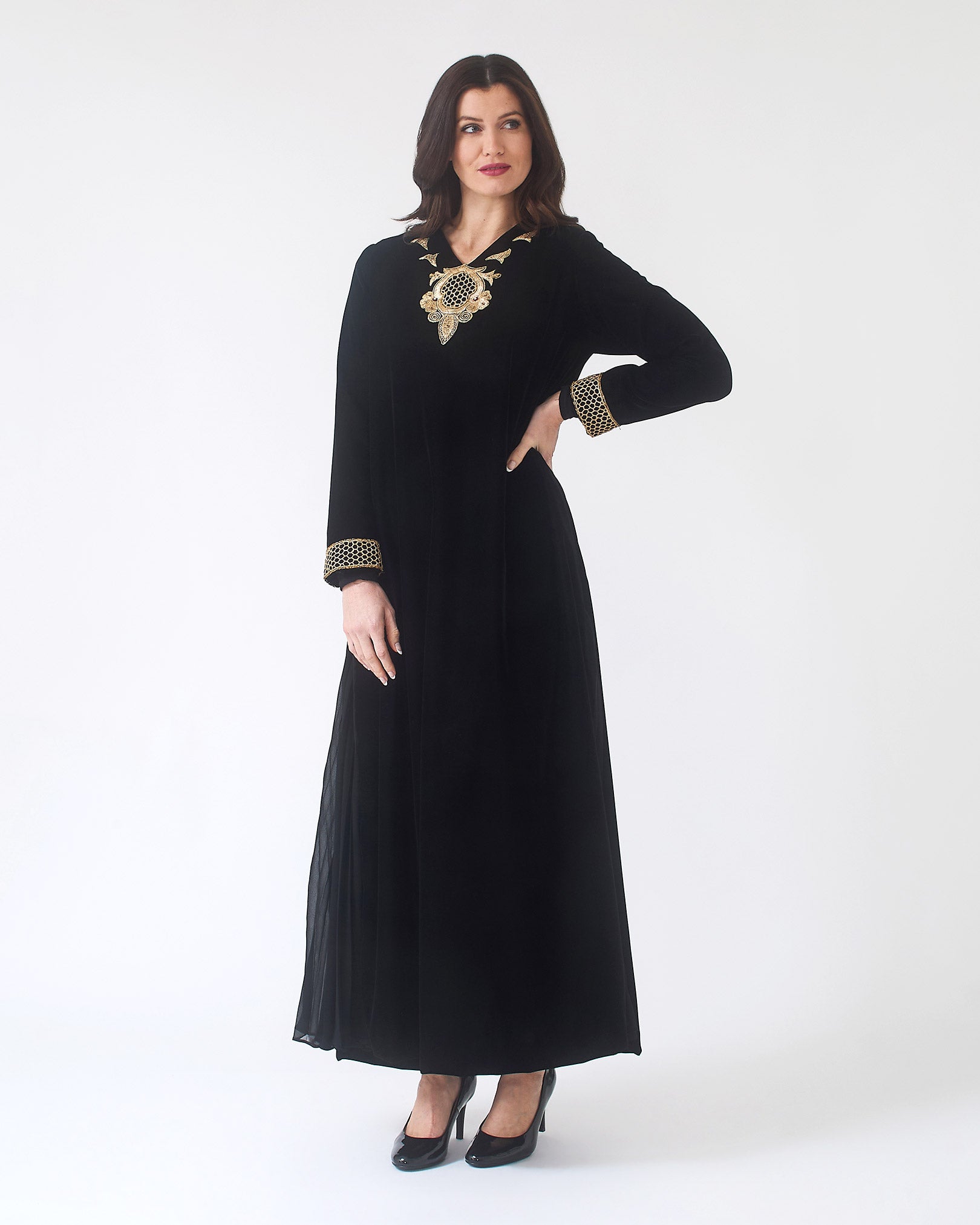
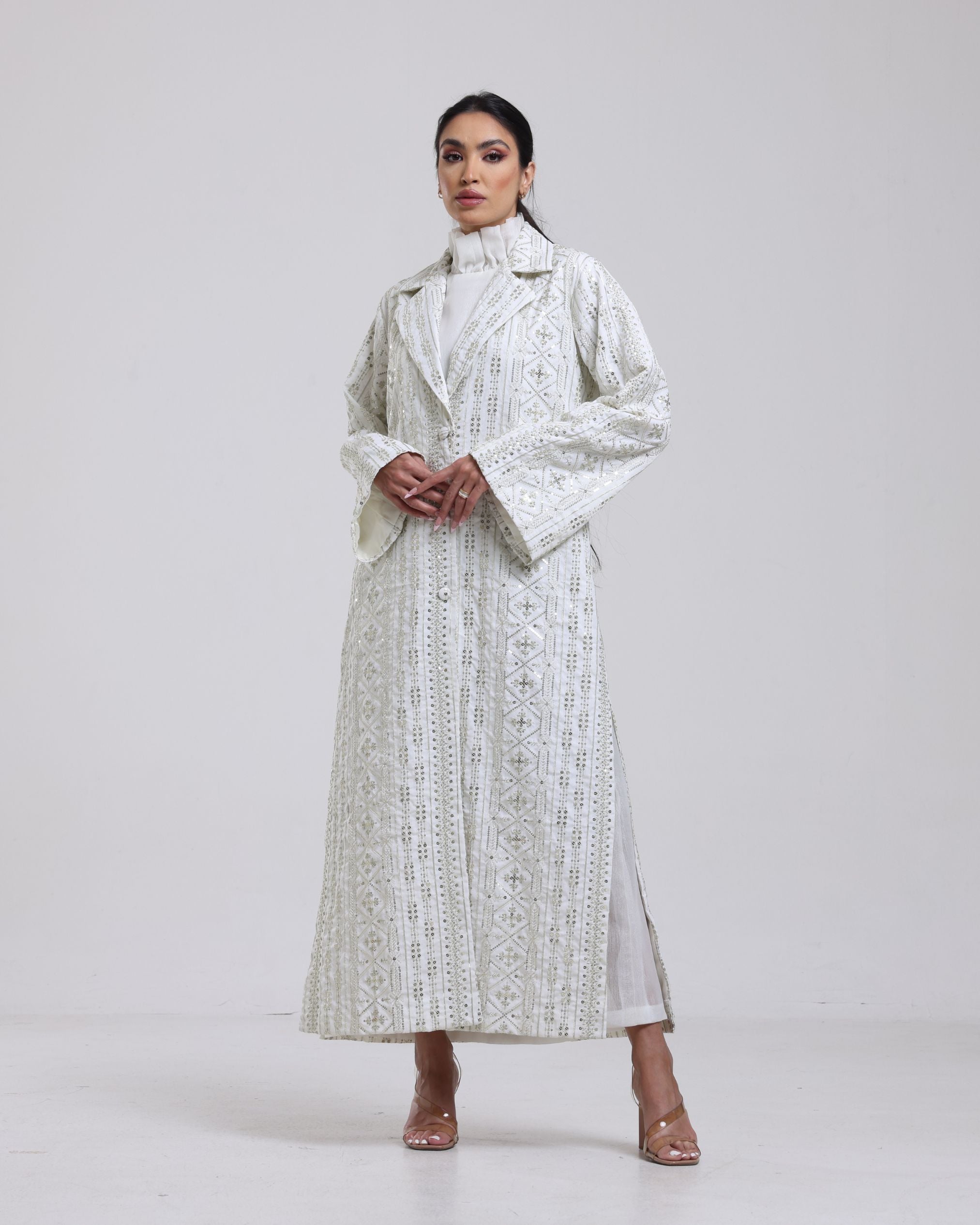
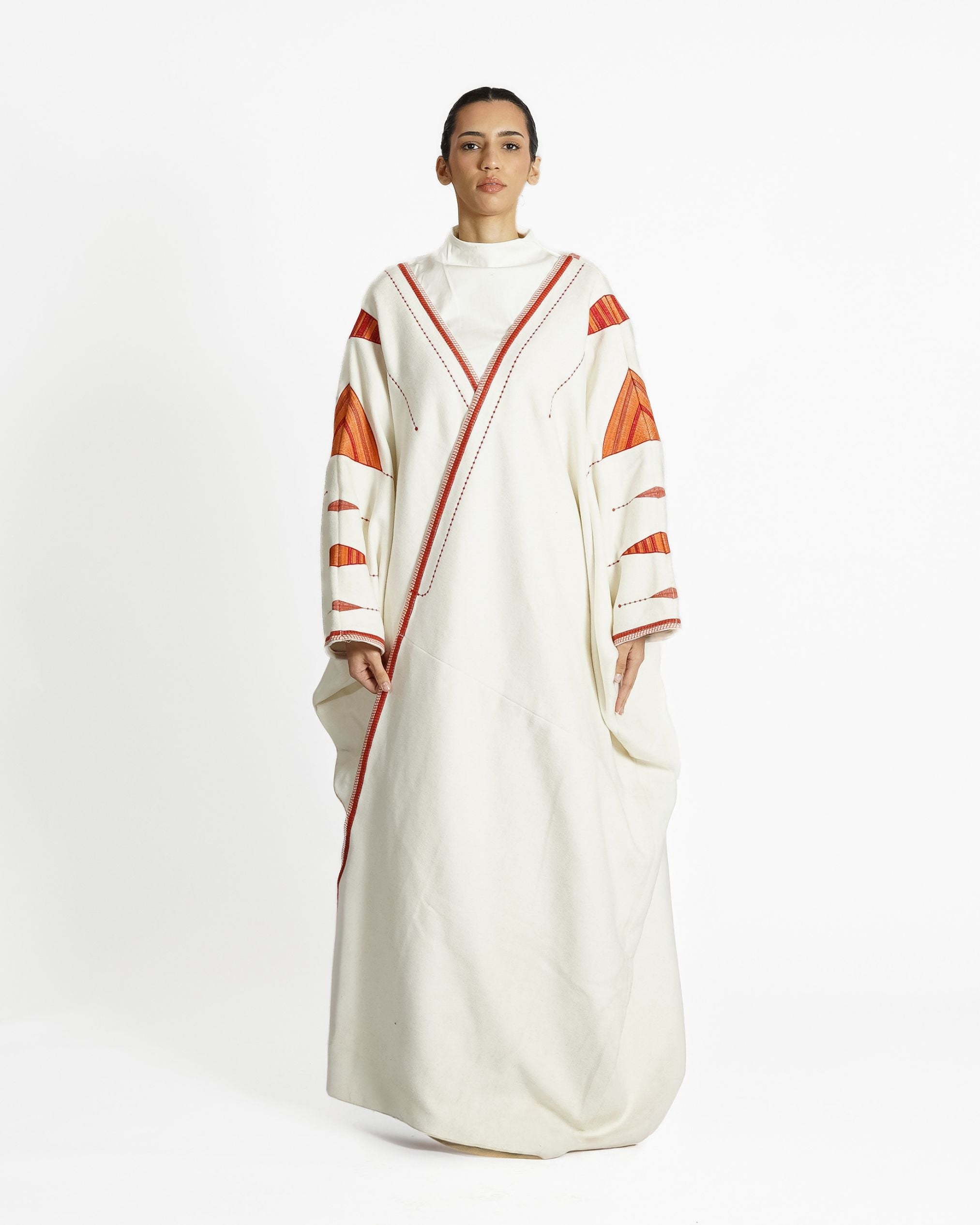
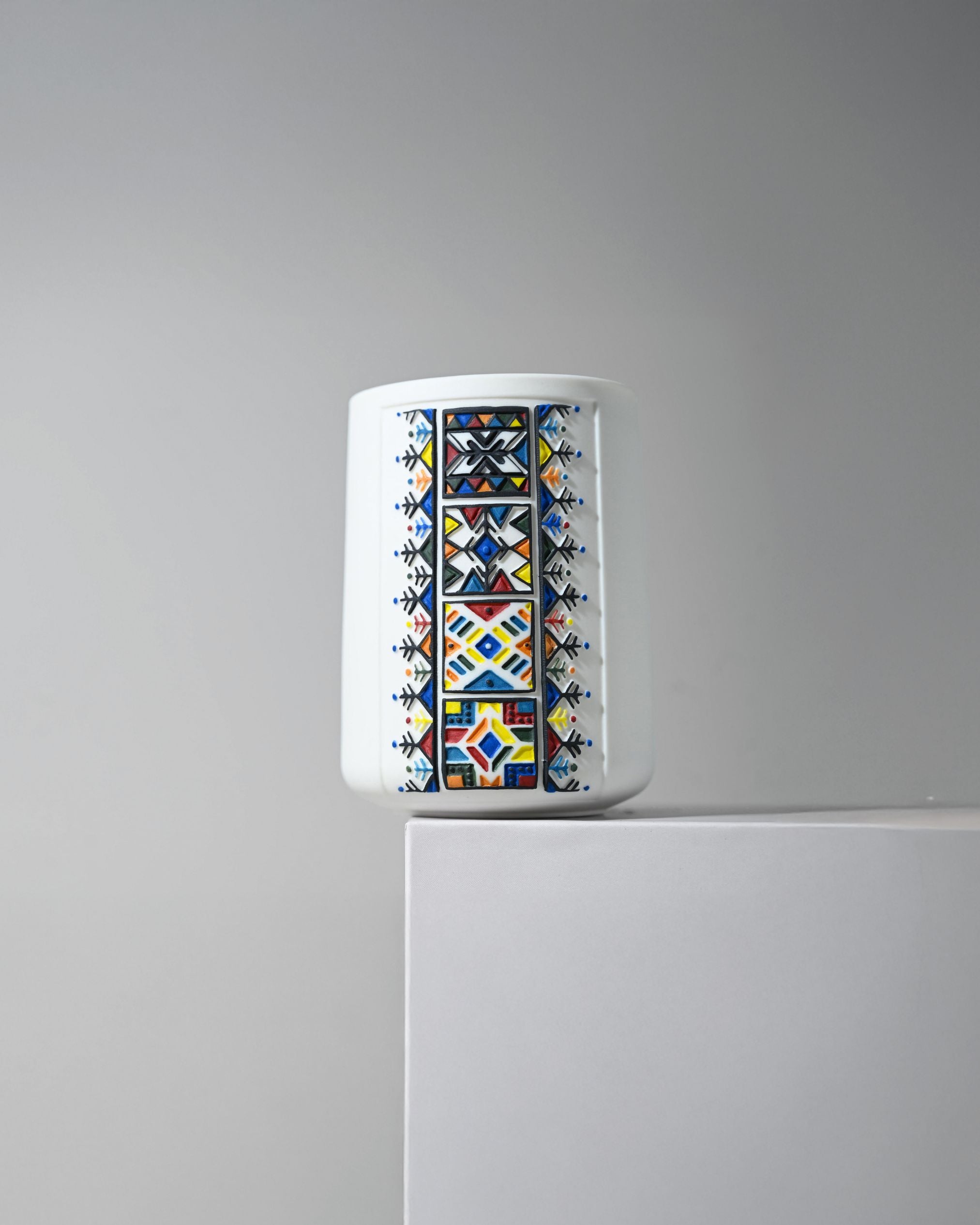
Their work shows that heritage is not static. It evolves, adapts and finds new forms. Founding Day simply brings that truth into focus.